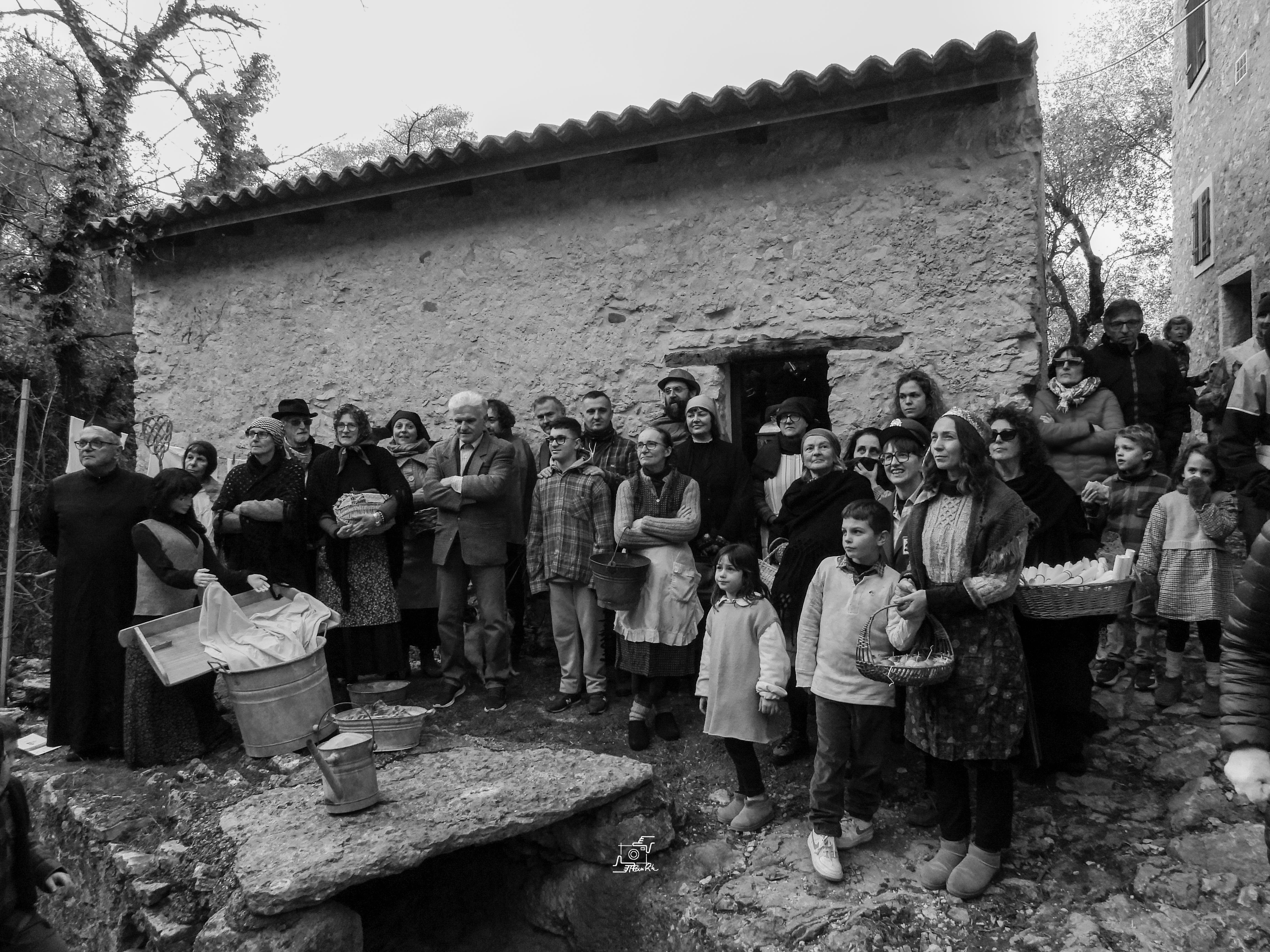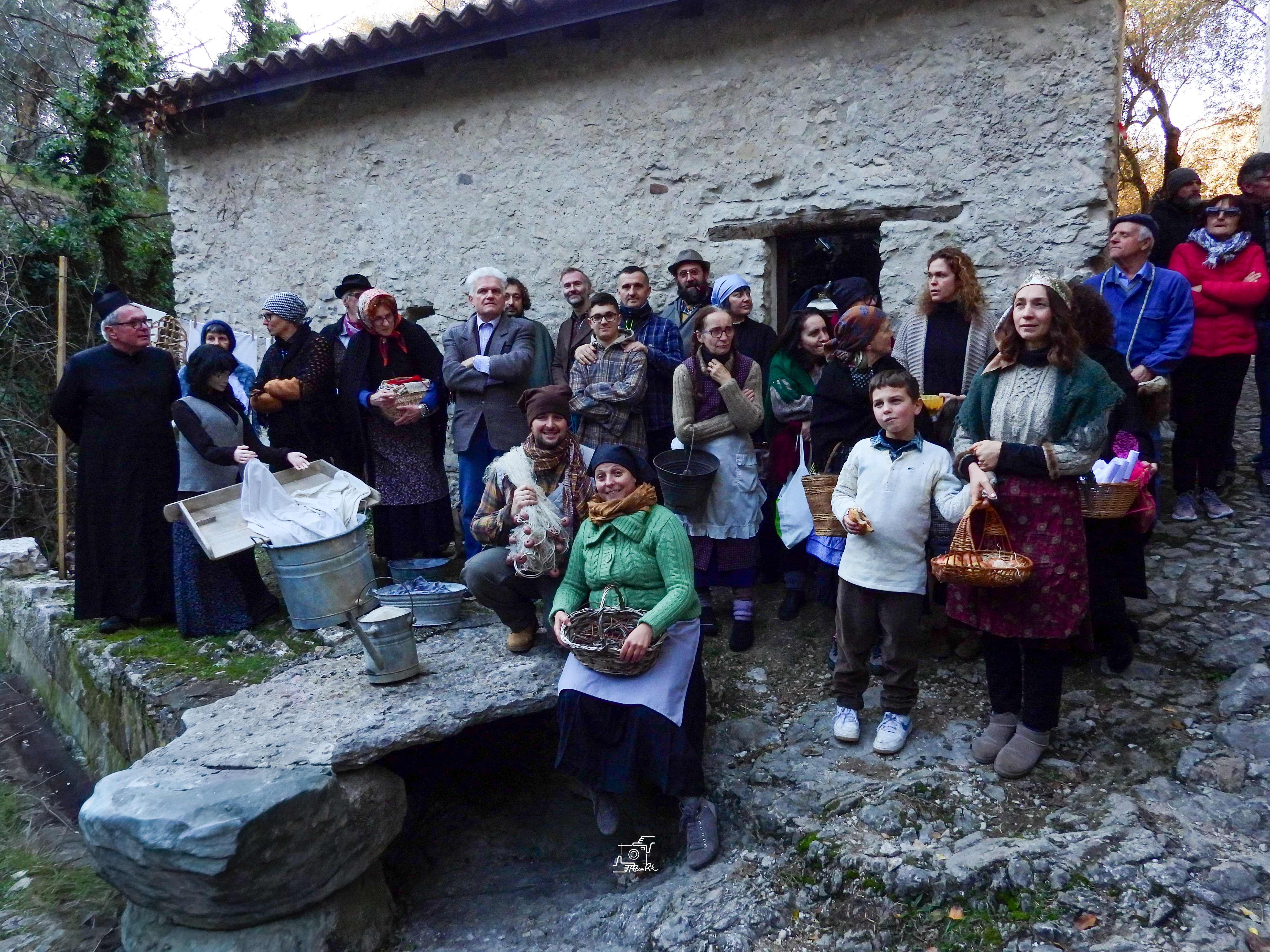
Once upon a time, there was a small village overlooking Lake Garda, nestled among olive trees. Life moved quietly, and its people—poor but honest—were always ready to help one another.
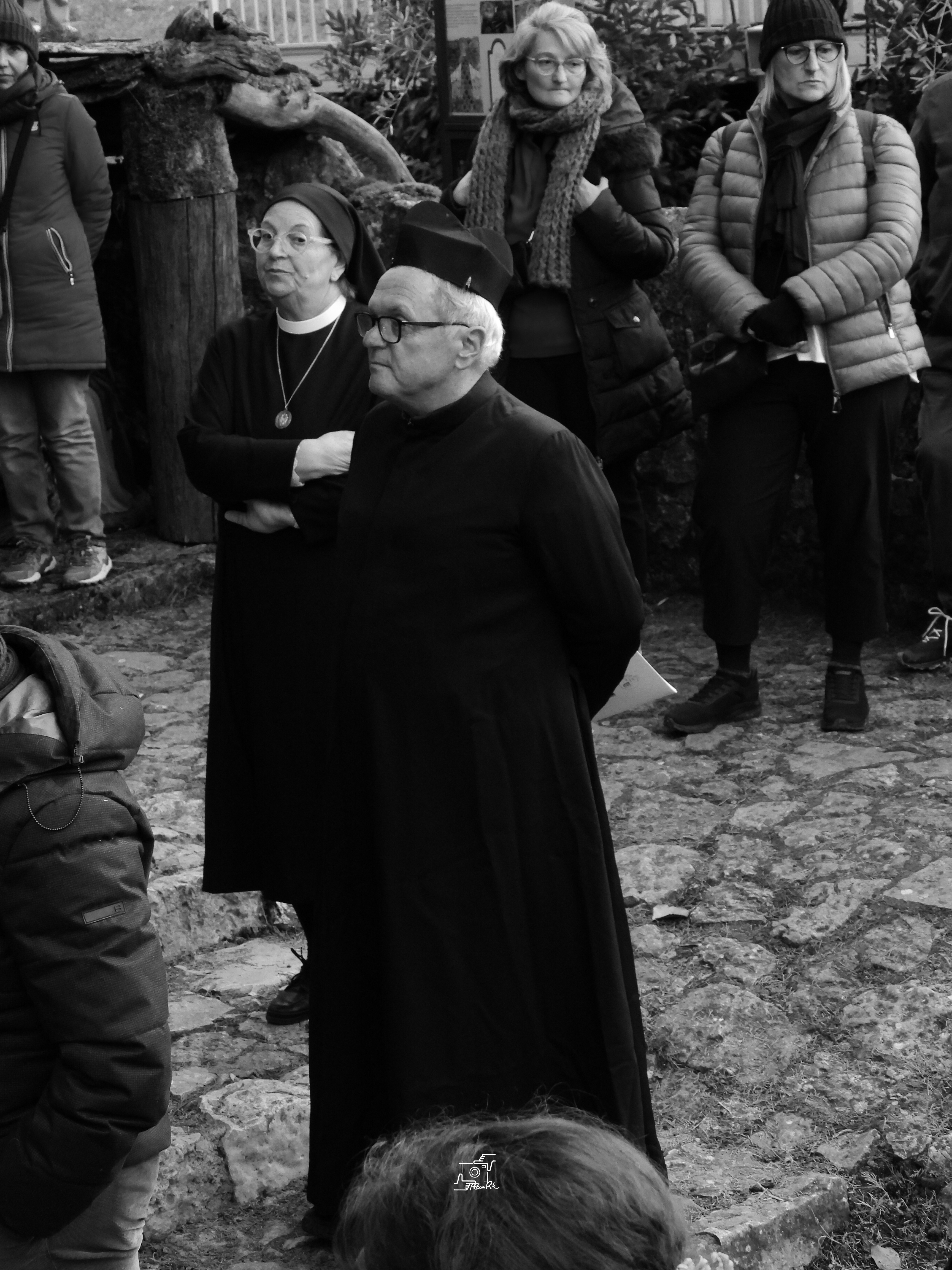
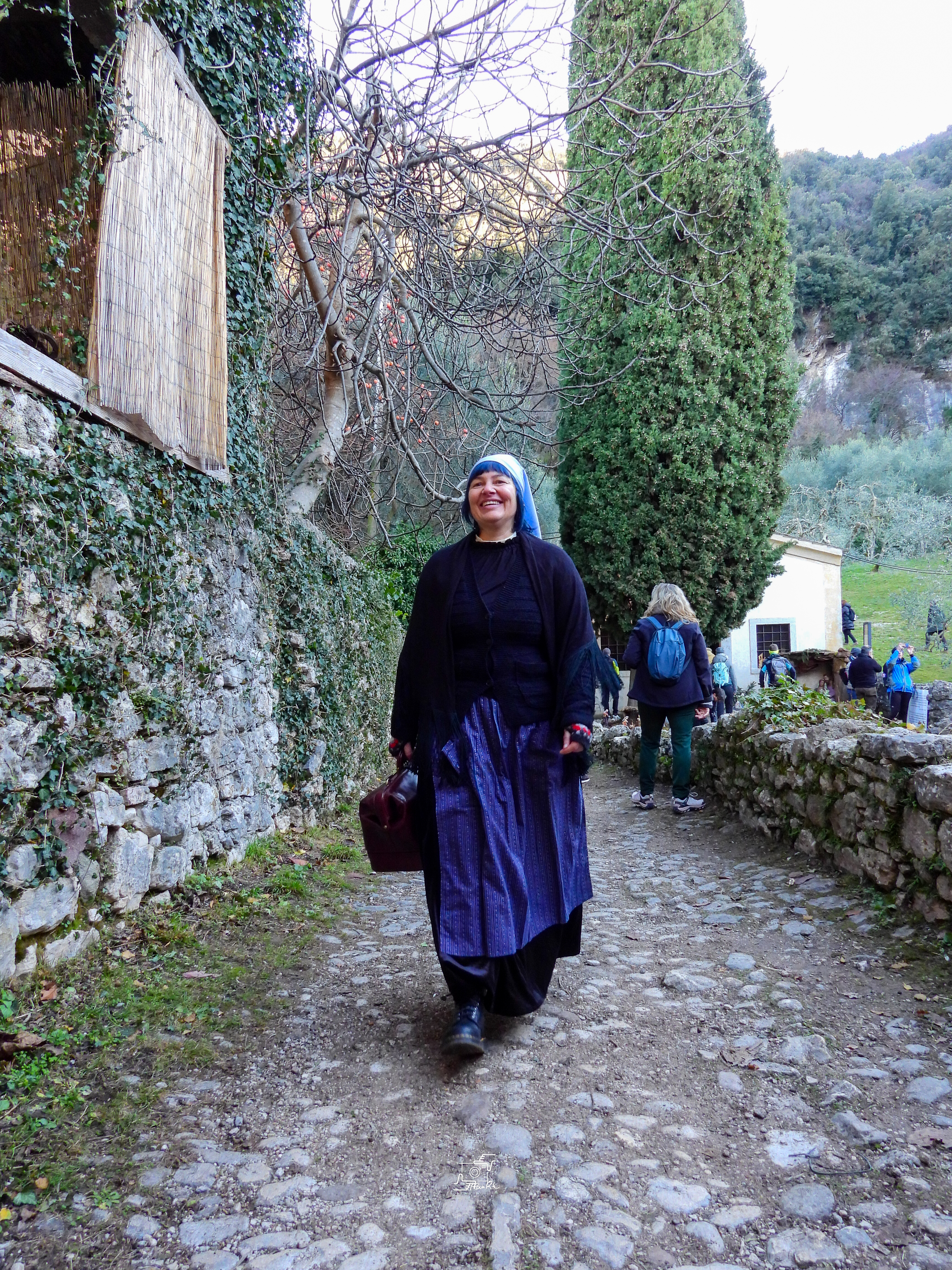
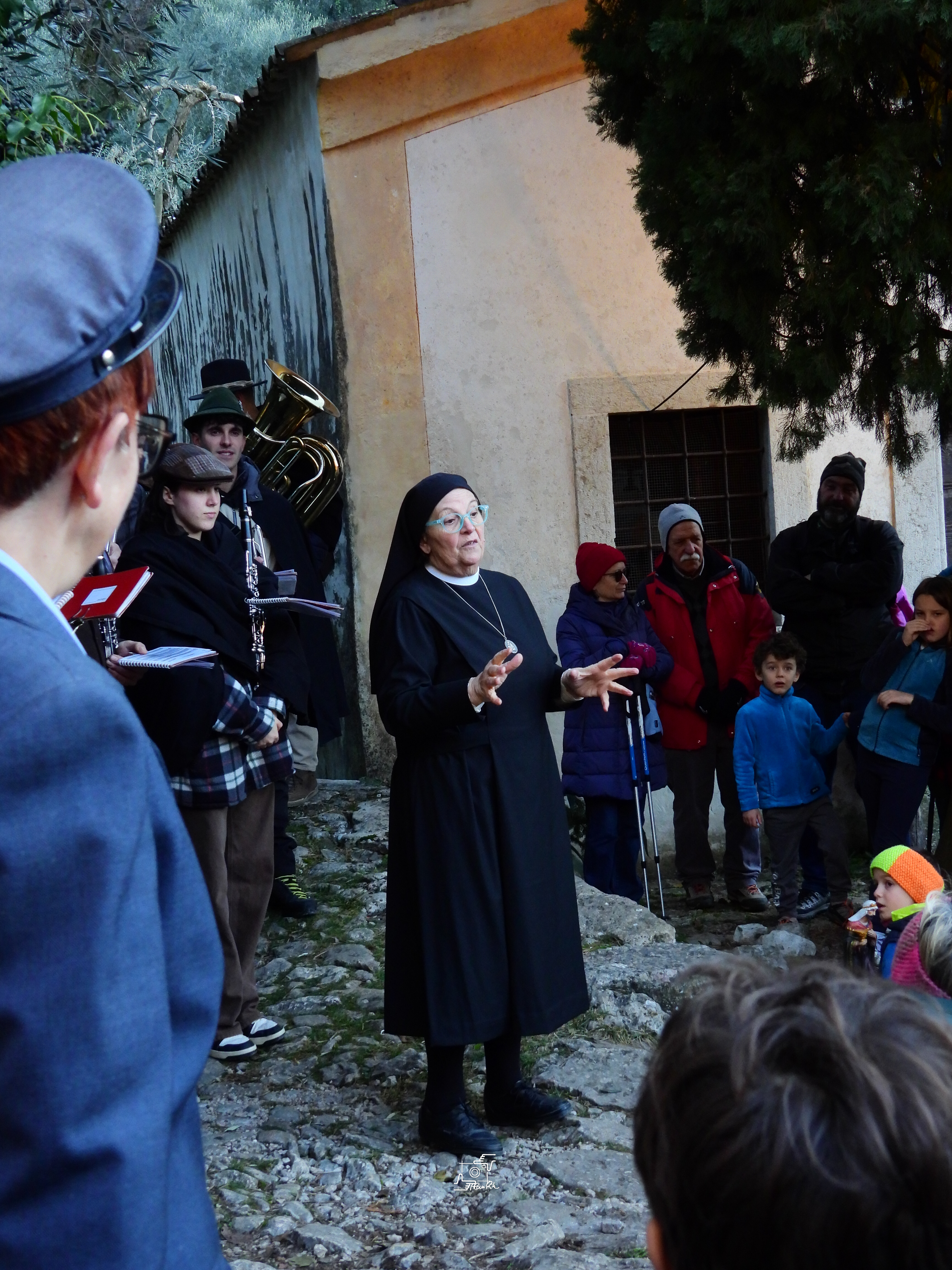
Father Danilo, the village priest, knew everyone: their joys, their worries, their stories. Every morning he set out early to visit his parishioners. And on that 24th of December 1955, after the 7 a.m. Mass celebrated with Sister Olivetta, he did the same. Before leaving, however, he was scolded by his housekeeper, Siora Antonella, who could not understand how he managed to walk around in winter wearing only his cassock. Oscar and Elena, the cheesemakers, were in bed with a terrible fever, but Don Danilo insisted he was warm enough—his feet never felt cold, and the priest’s hat made him sweat.
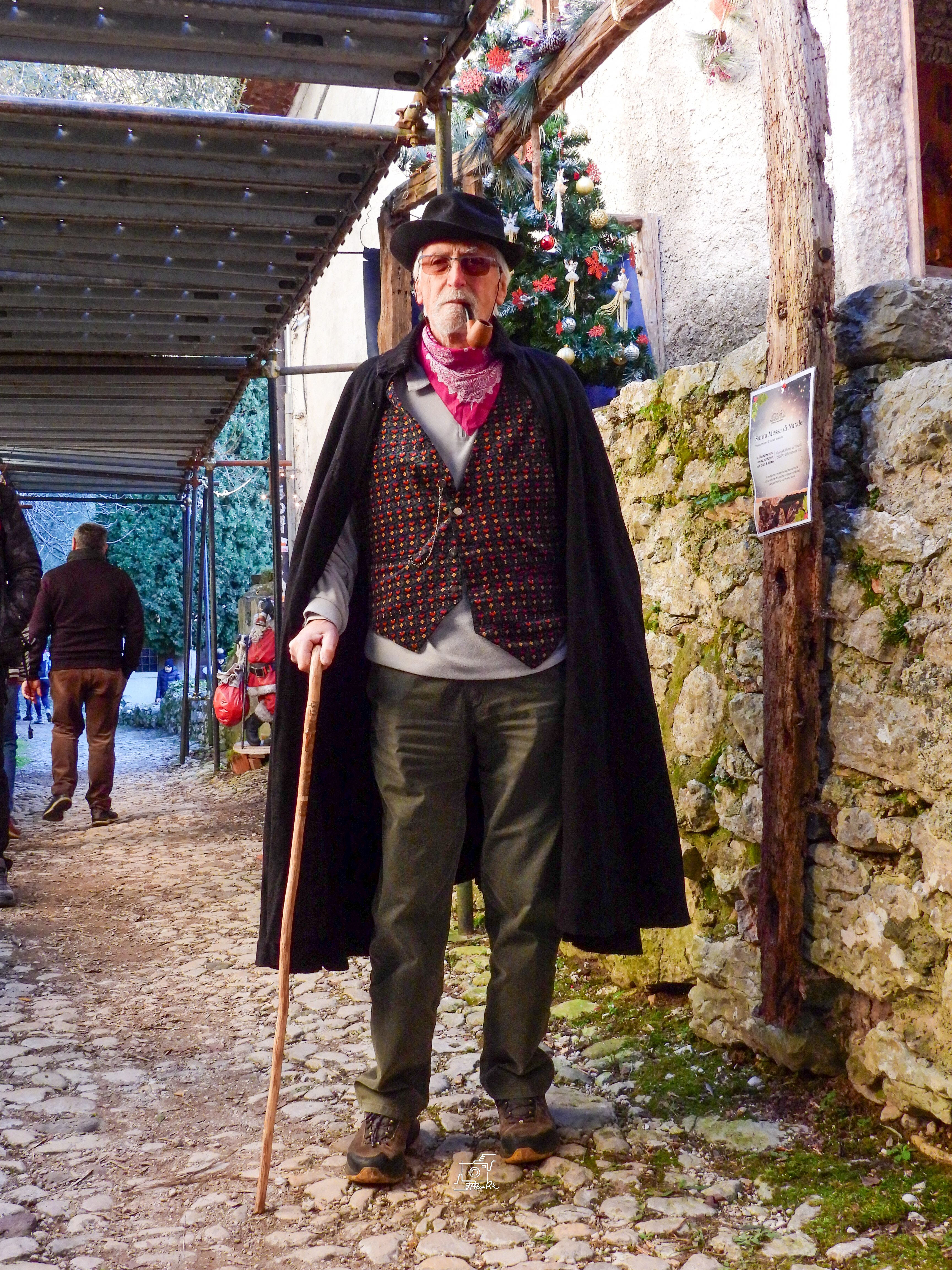
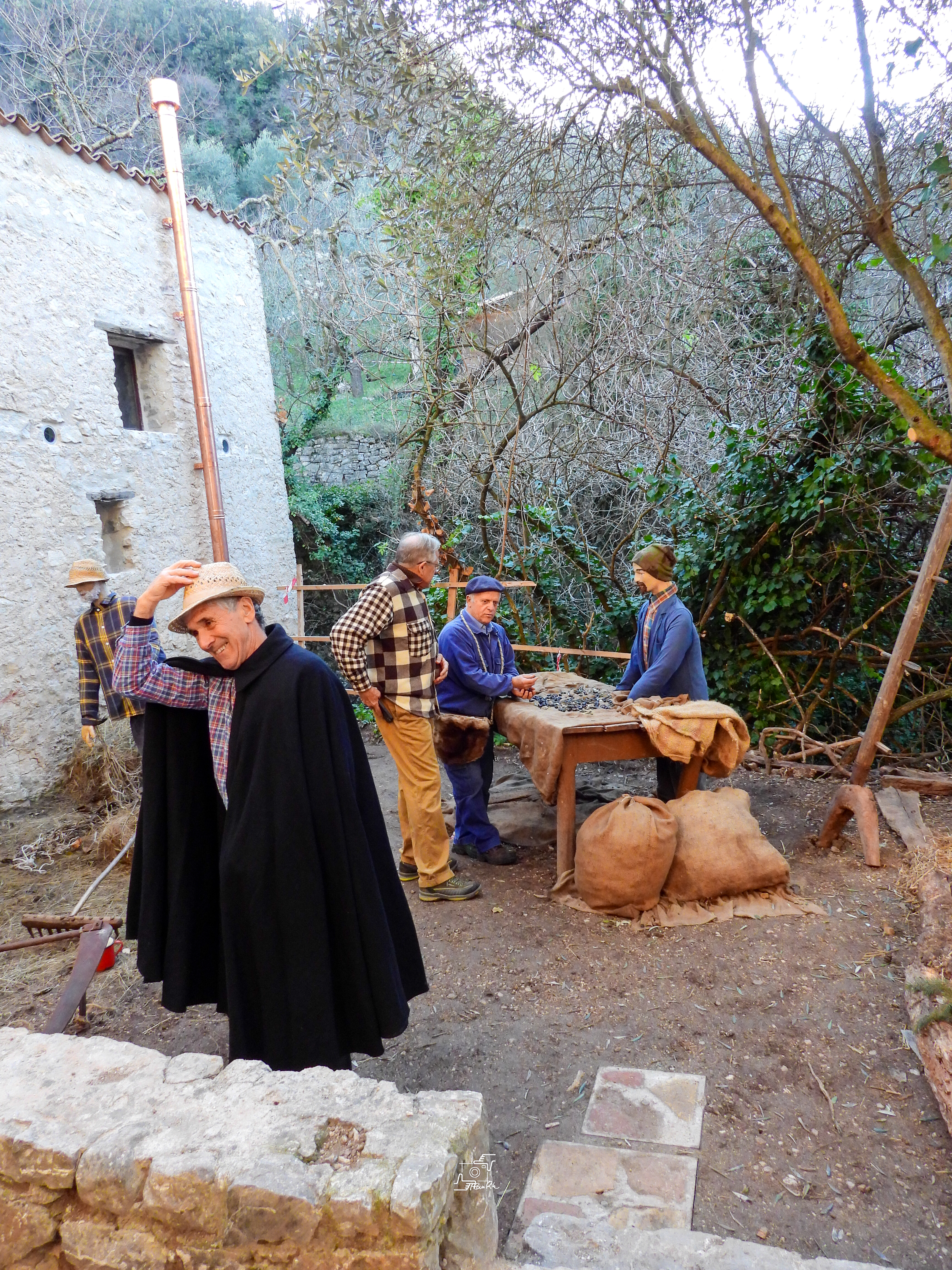
The village was buzzing with preparations for Christmas. Saint Lucy had already passed, but now the Nativity was celebrated as well. Bruno, the elderly gentleman with waistcoat and cloak, grumbled about these “modern habits,” but Don Danilo paid no attention: old or new, Jesus would be born for everyone that night.
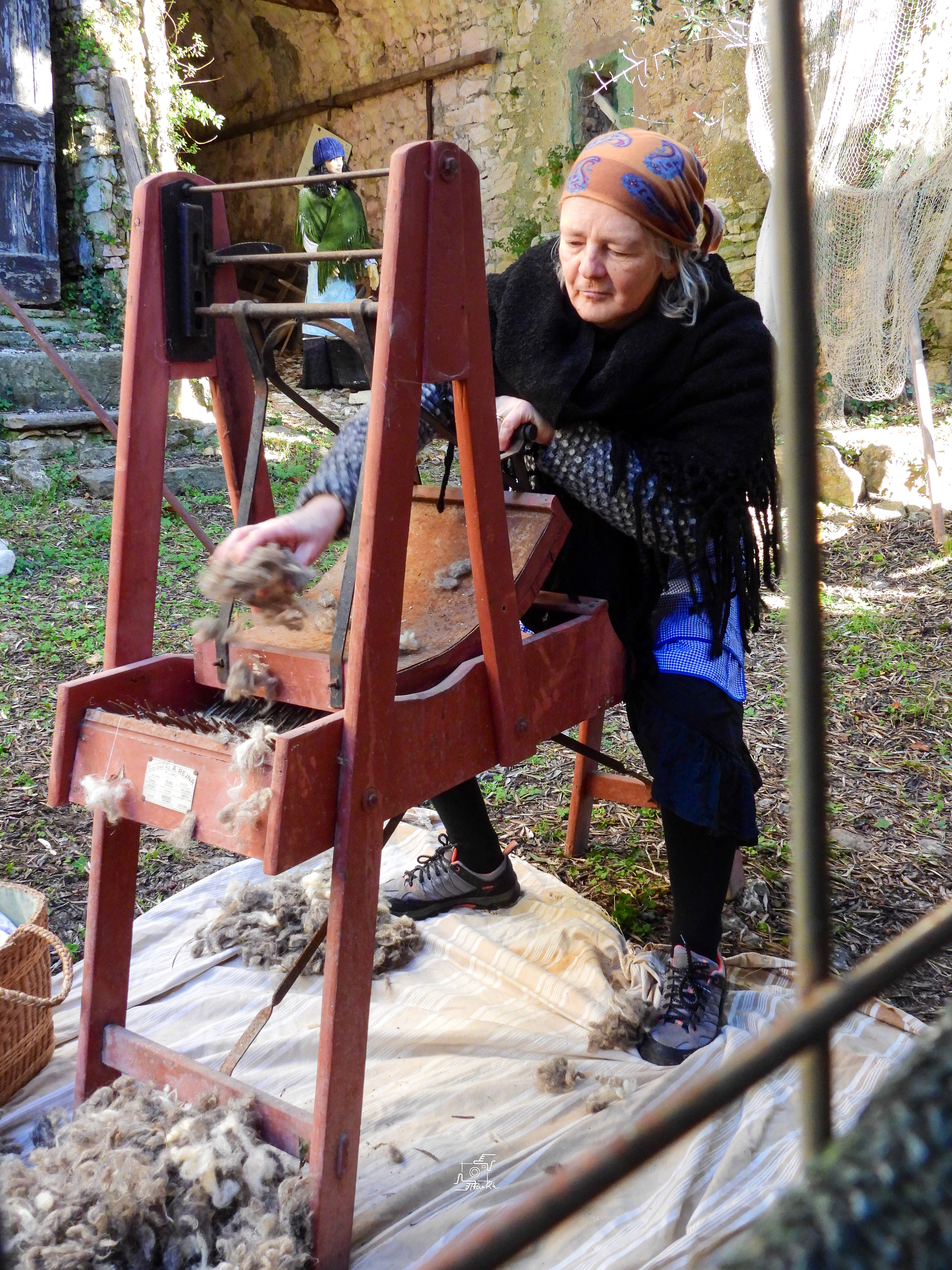
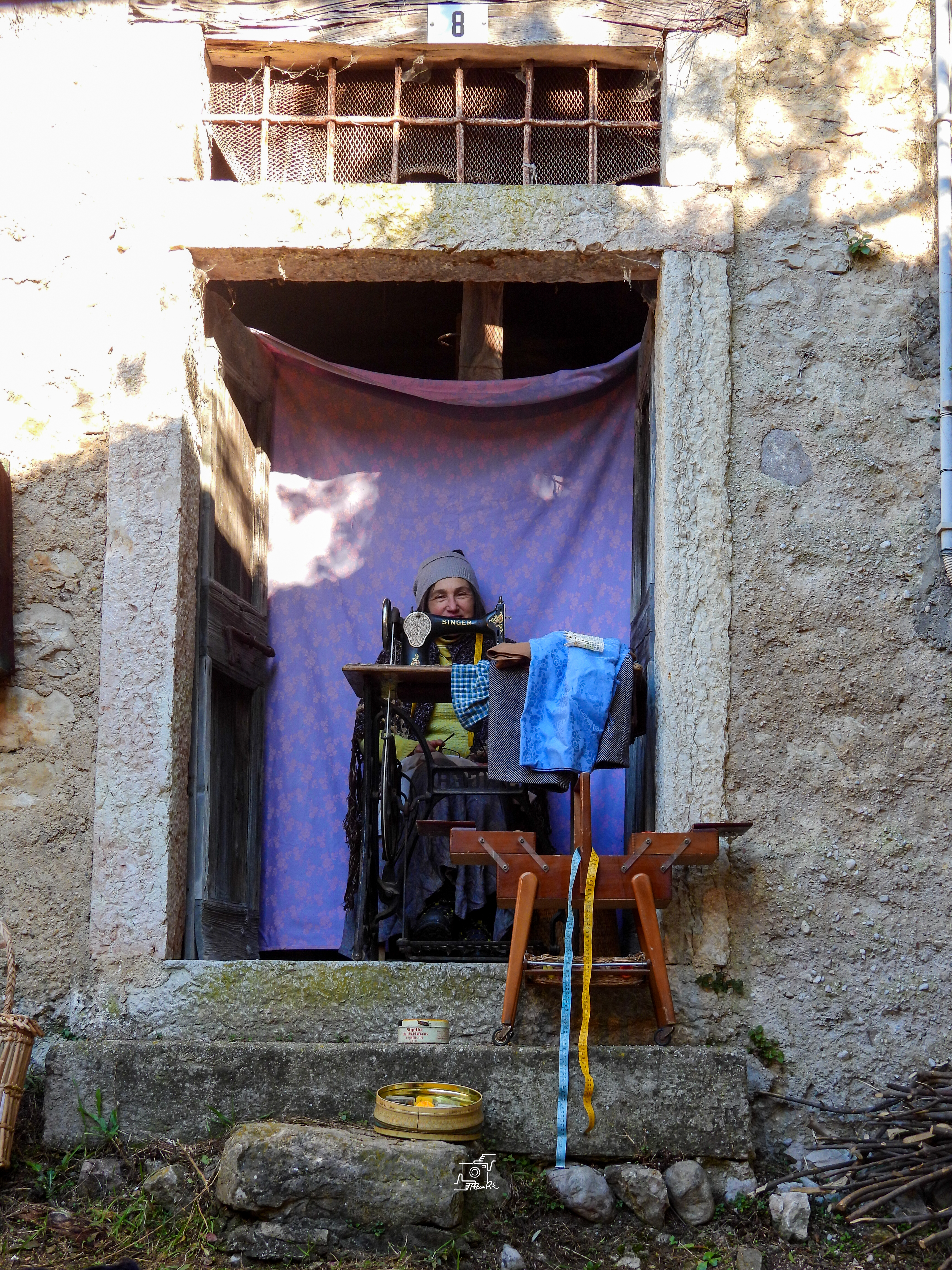
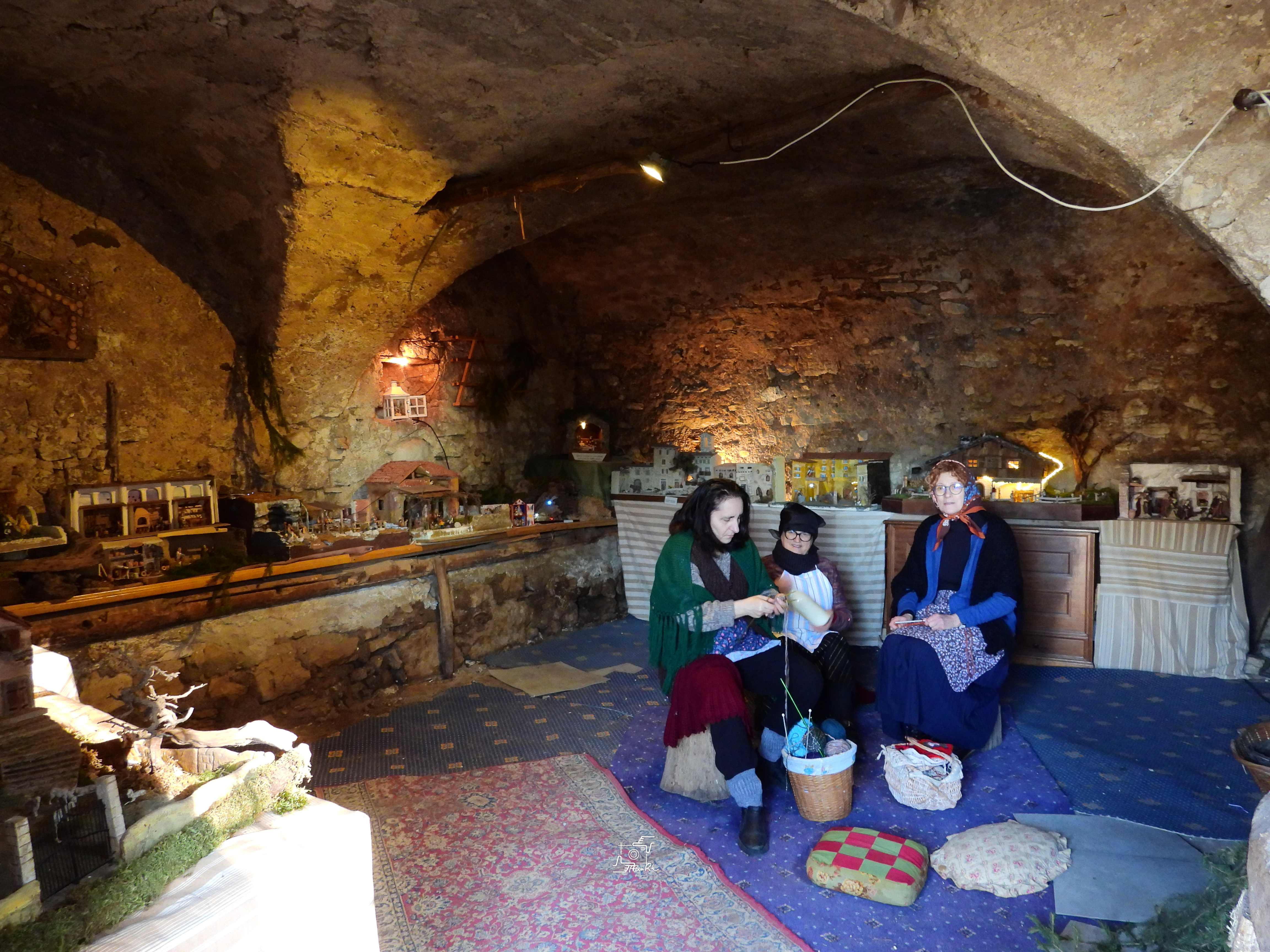
Passing by the so‑called “Castle”—in truth just the finest house in Campo—he saw the women already at work. Paola, the mattress maker, handled wool with great skill. At the doorway appeared Maria with her sewing machine, a precious gift from the Countess of Brenzone in gratitude for her help during the war.
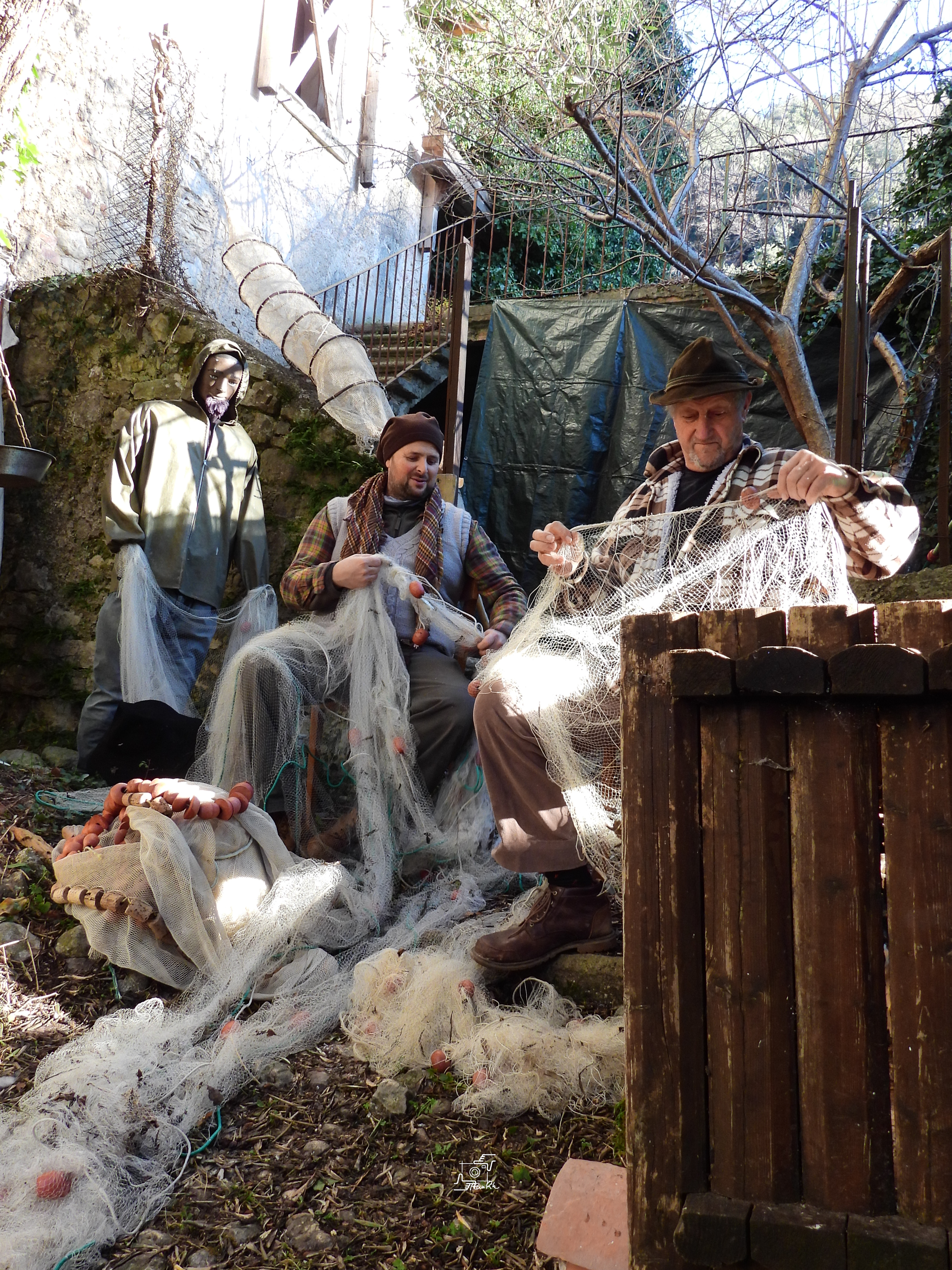
Nearby, the fishermen had already returned with their catch. Matteo and Bruno were arranging the nets, and at Don Danilo’s greeting—“Praised be forever!”—they all replied with respect. He exchanged a smile with Antonietta, known for her beauty and elegance despite the hard times.
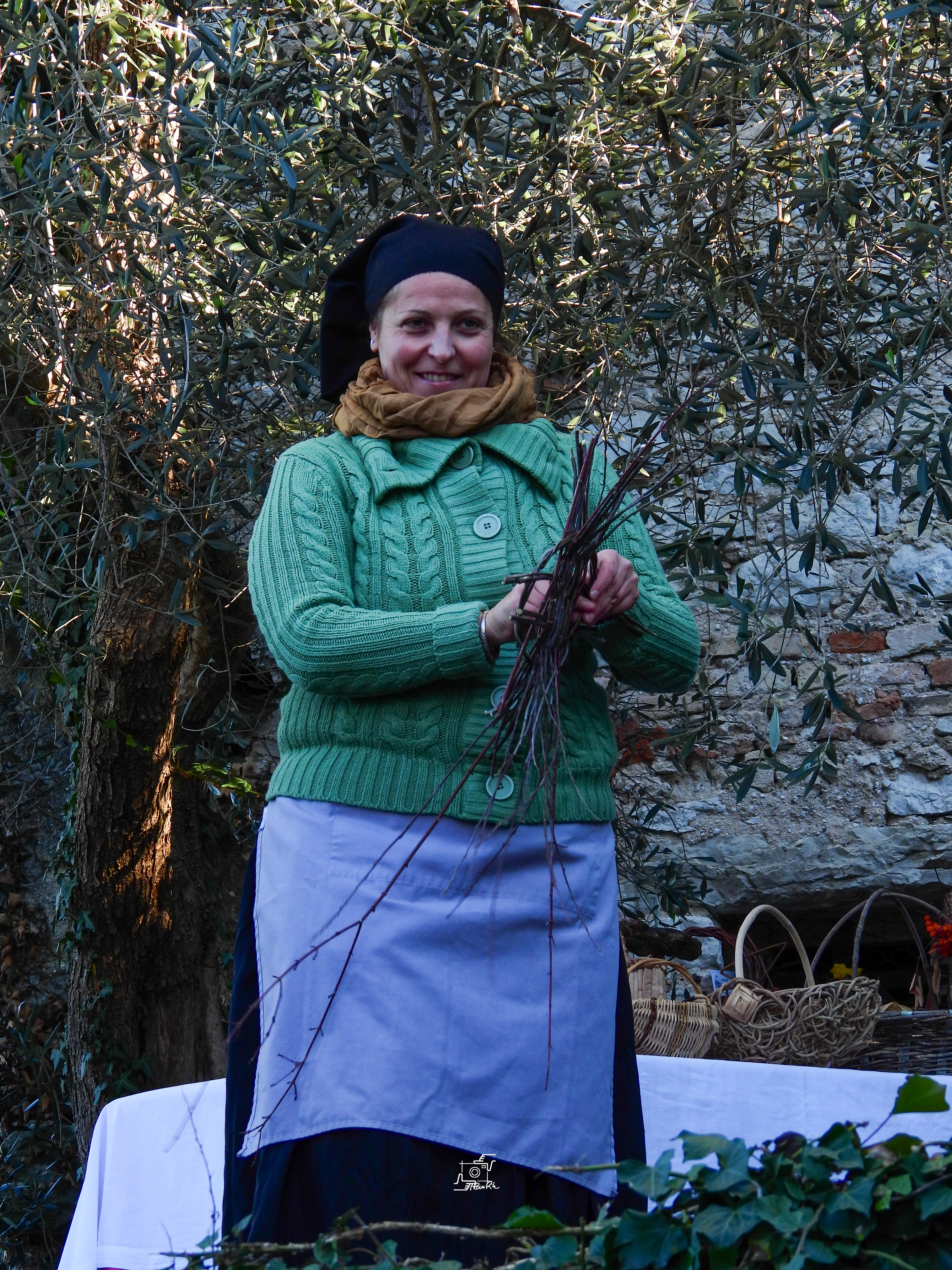
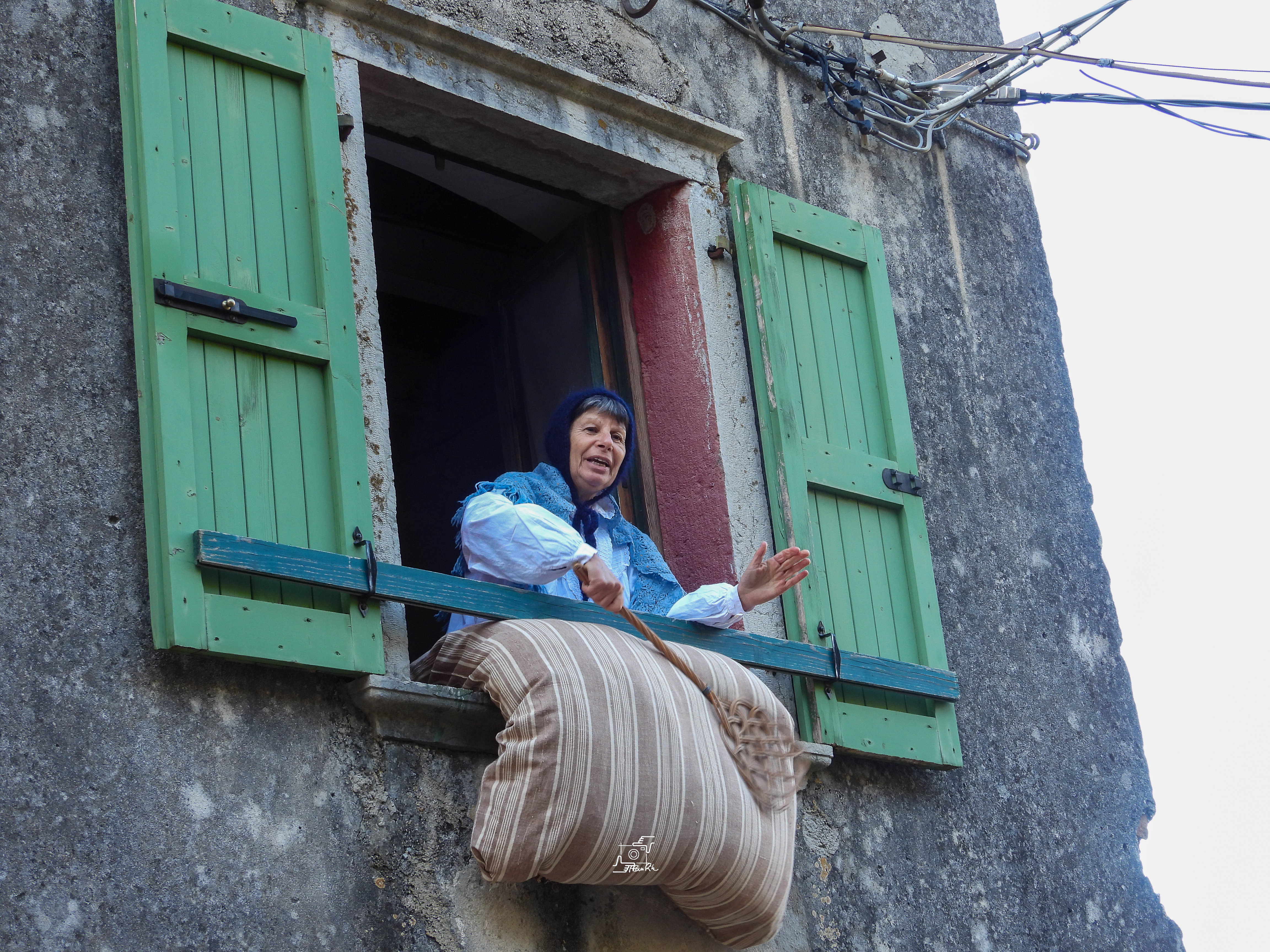
Francesca, the basket weaver, was finishing the cradle that would hold Baby Jesus. Anne, the Frenchwoman, had decided that such an important day deserved a spotless home and was beating the mattress with great energy.
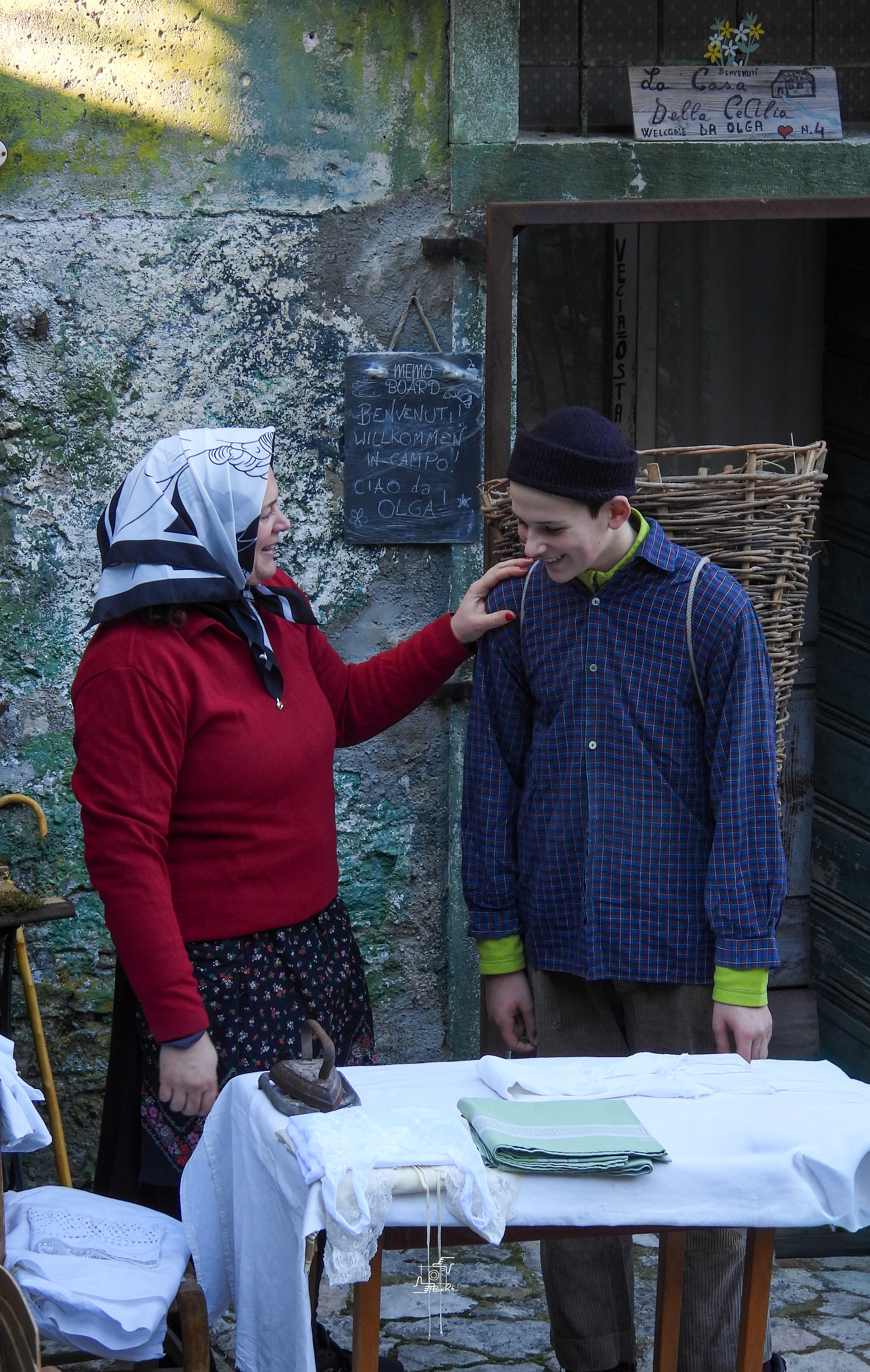
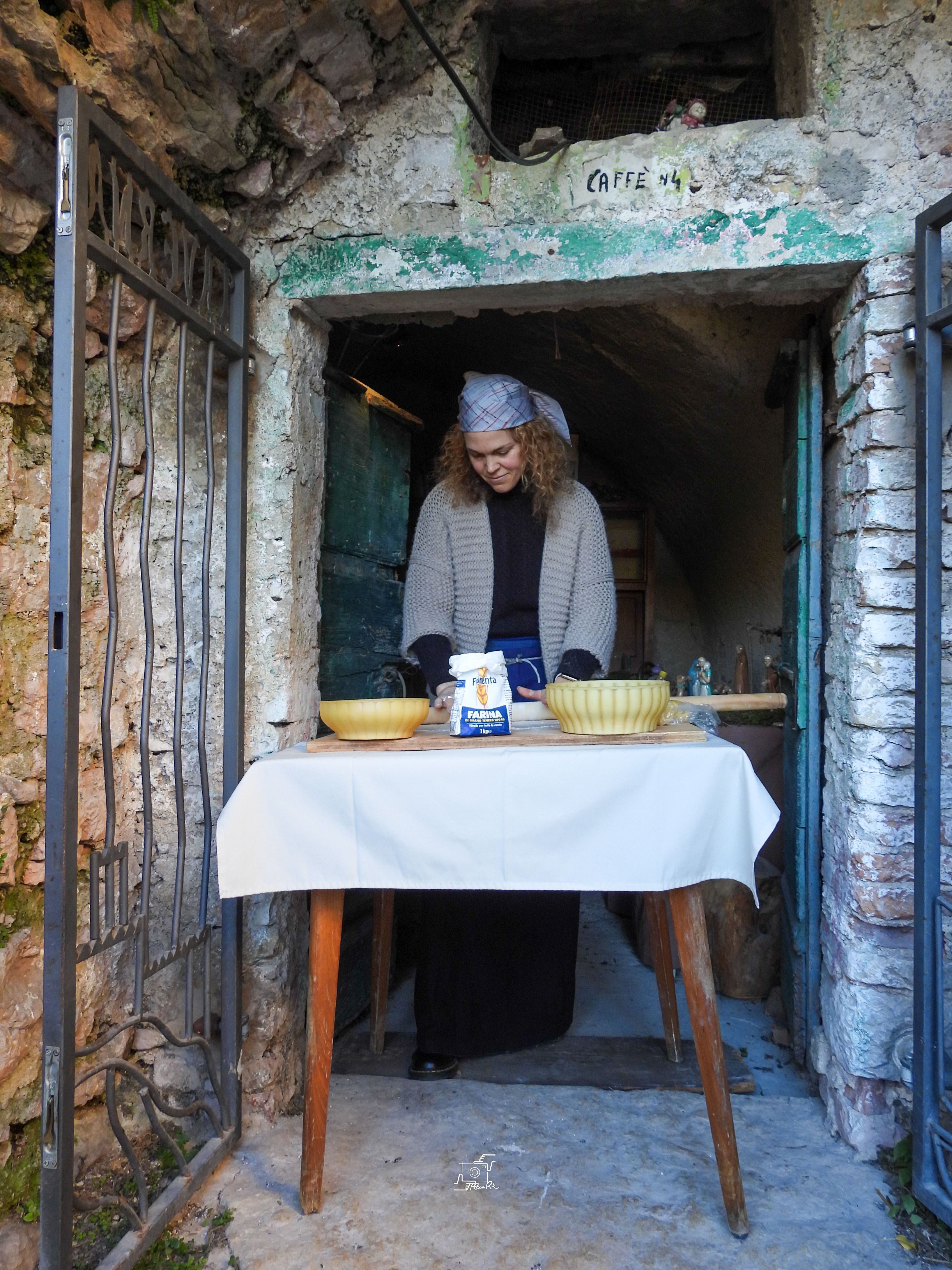
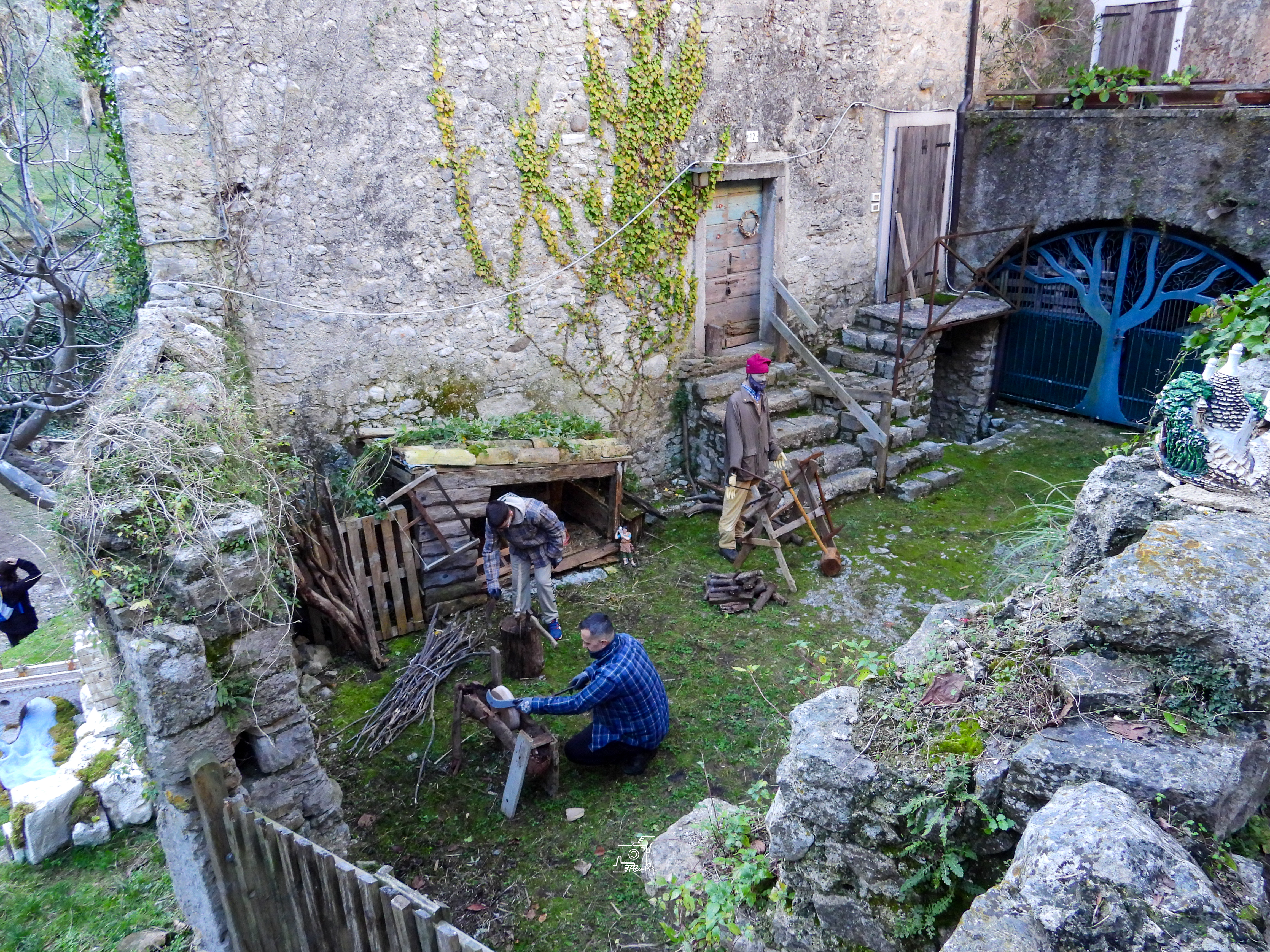
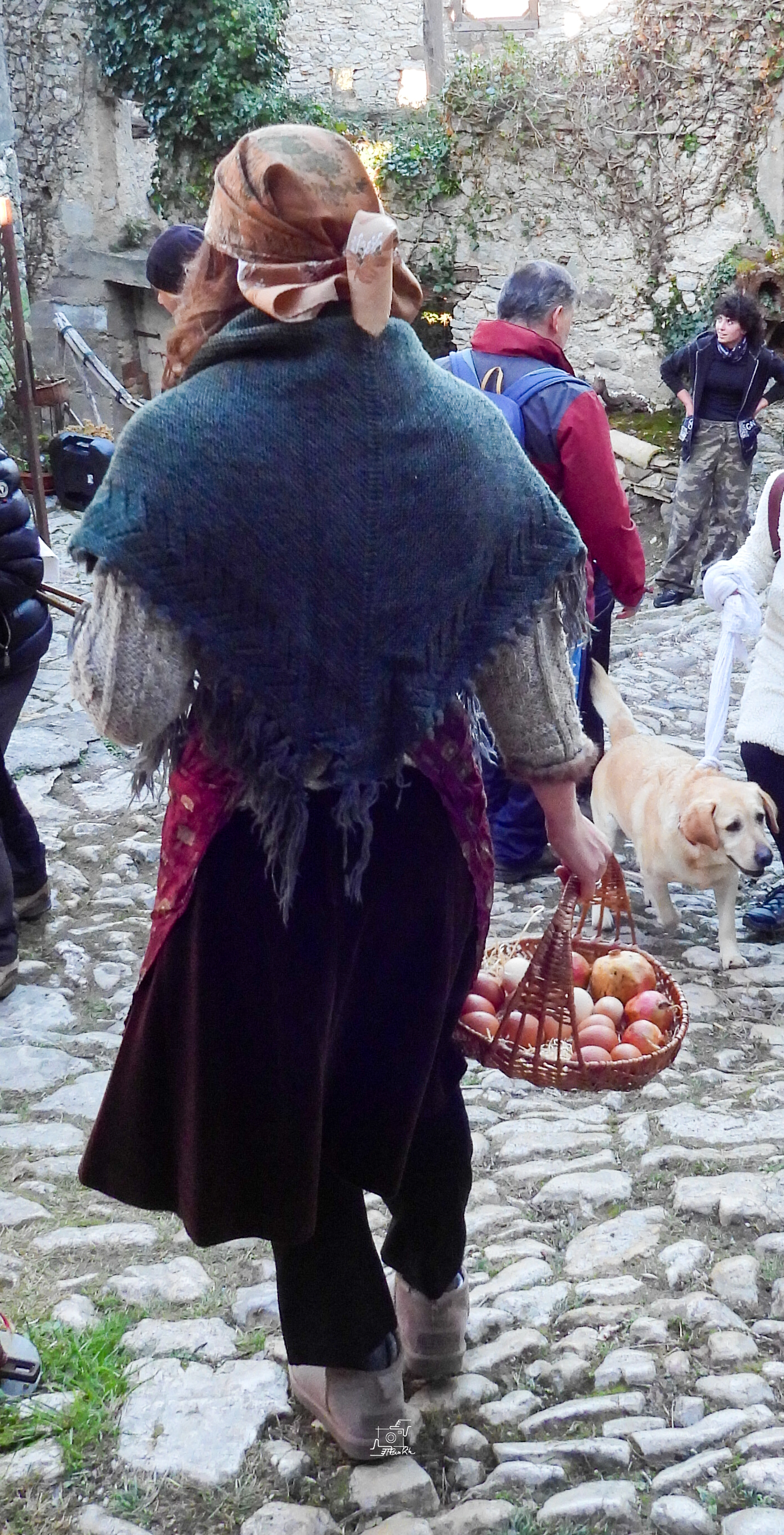
The sisters Silvia and Giulia were busy: Giulia was preparing mountains of tagliatelle for the many mouths to feed, while Silvia ironed tirelessly to dress the children in their best—or at least least‑worn—clothes. For Nicolò, the eldest, she was starching the festive shirt. The other Silvia, their sister‑in‑law, arrived with a basket full of eggs for even more tagliatelle. Wood was needed for the stove and the fire, but Renato and his son Gabriel had been chopping logs since dawn.
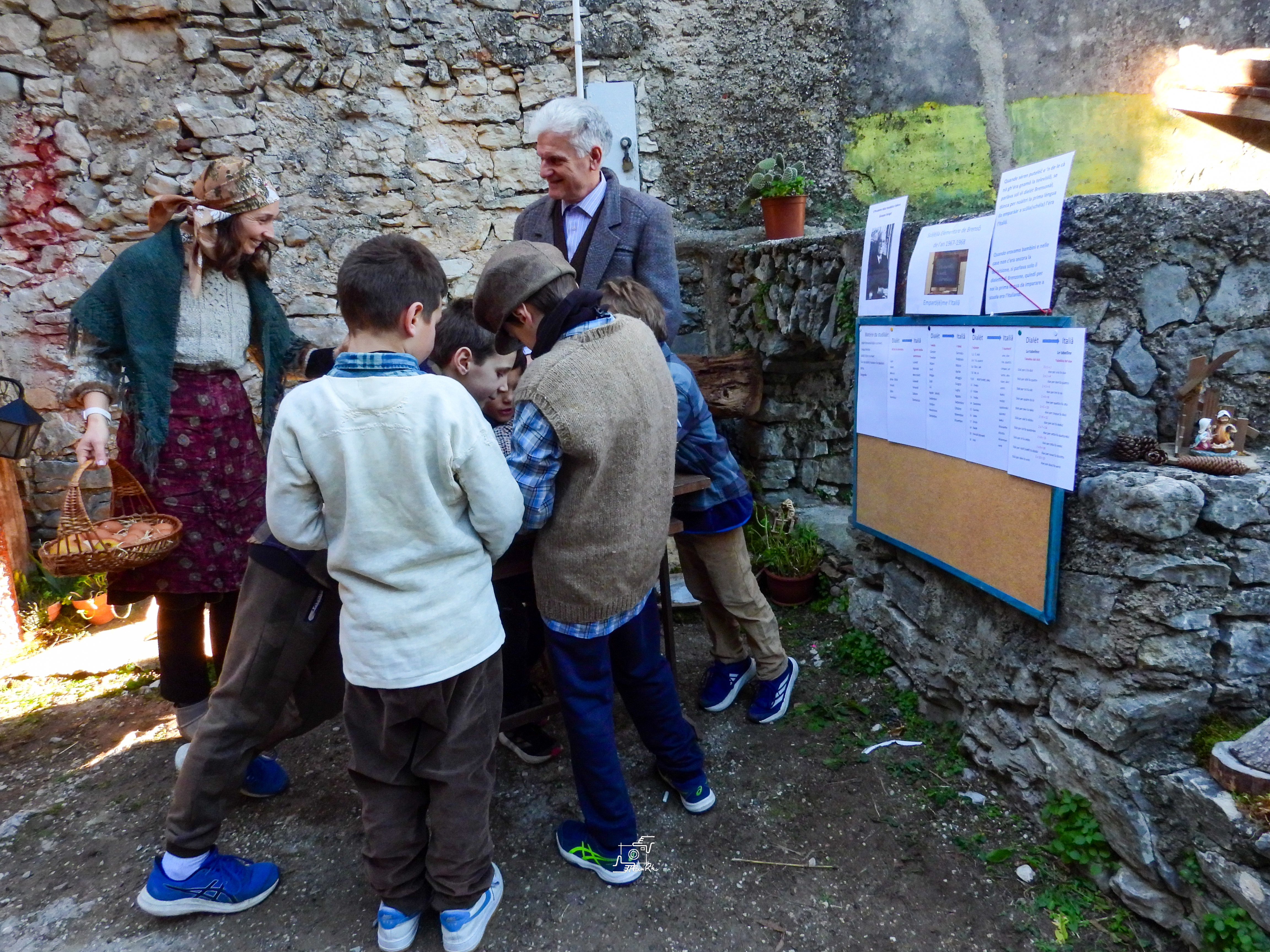
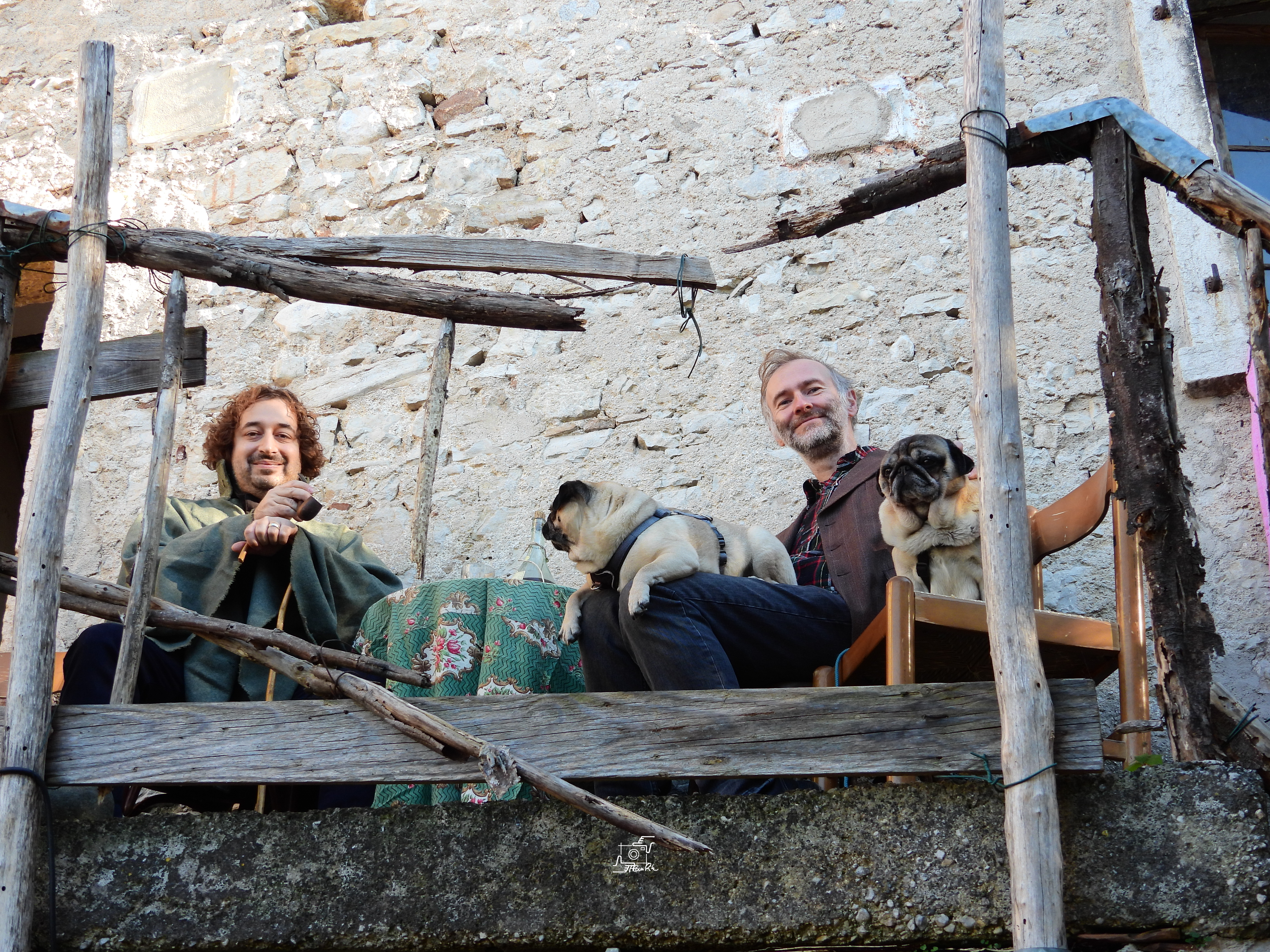
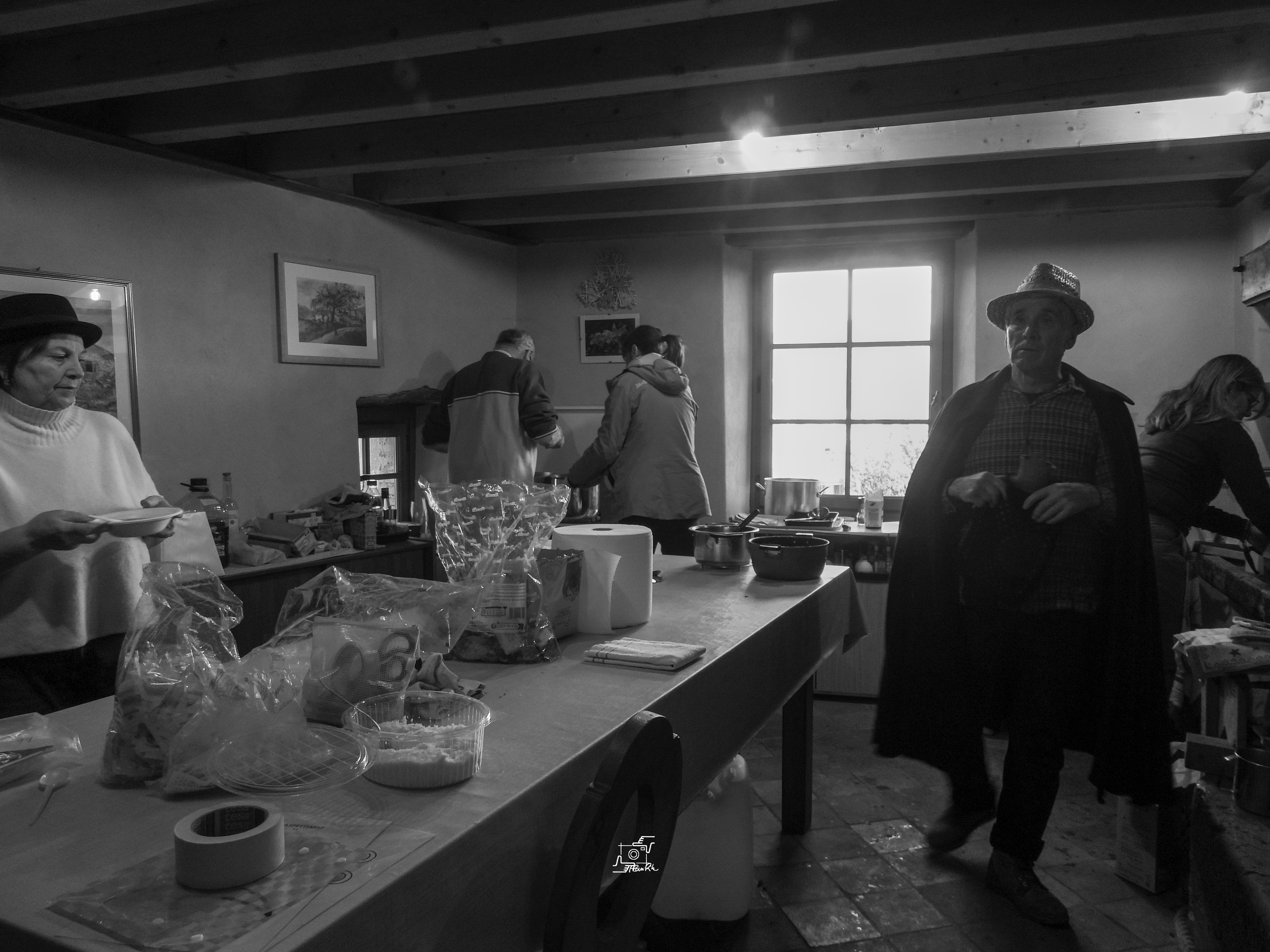
Master Luigi, even on Christmas Eve, was helping the children rehearse the poem they would recite in church—a poem written by Rita, the village artist. The village was small, and between one line and the next, lunchtime arrived. Don Danilo stopped at the tavern run by Richard and Daniel, two Germans who had stayed in Italy for love of the lake. A glass of wine and a warm soup restored his strength. In the kitchen, many village women were preparing something hot for Christmas night.
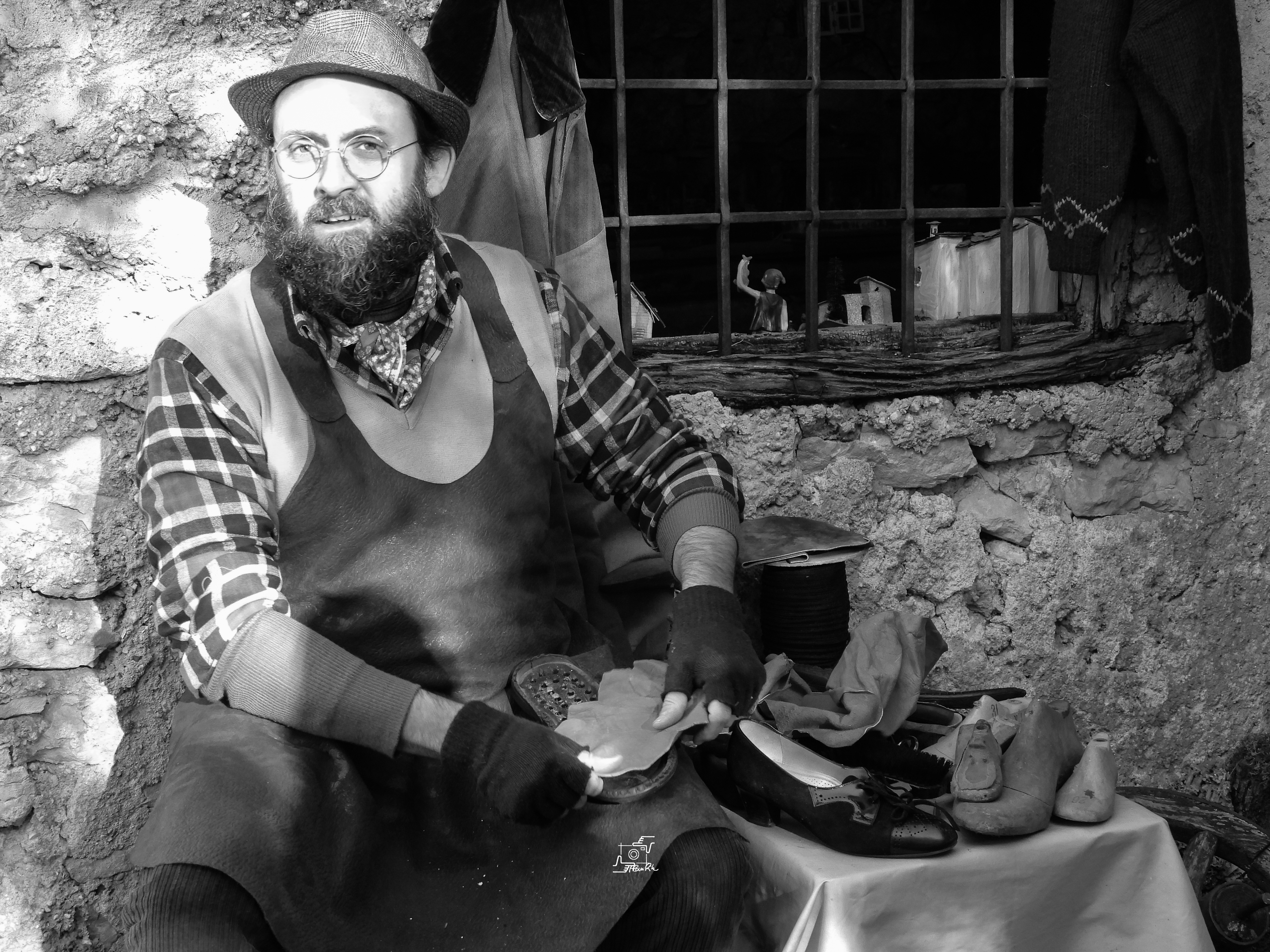
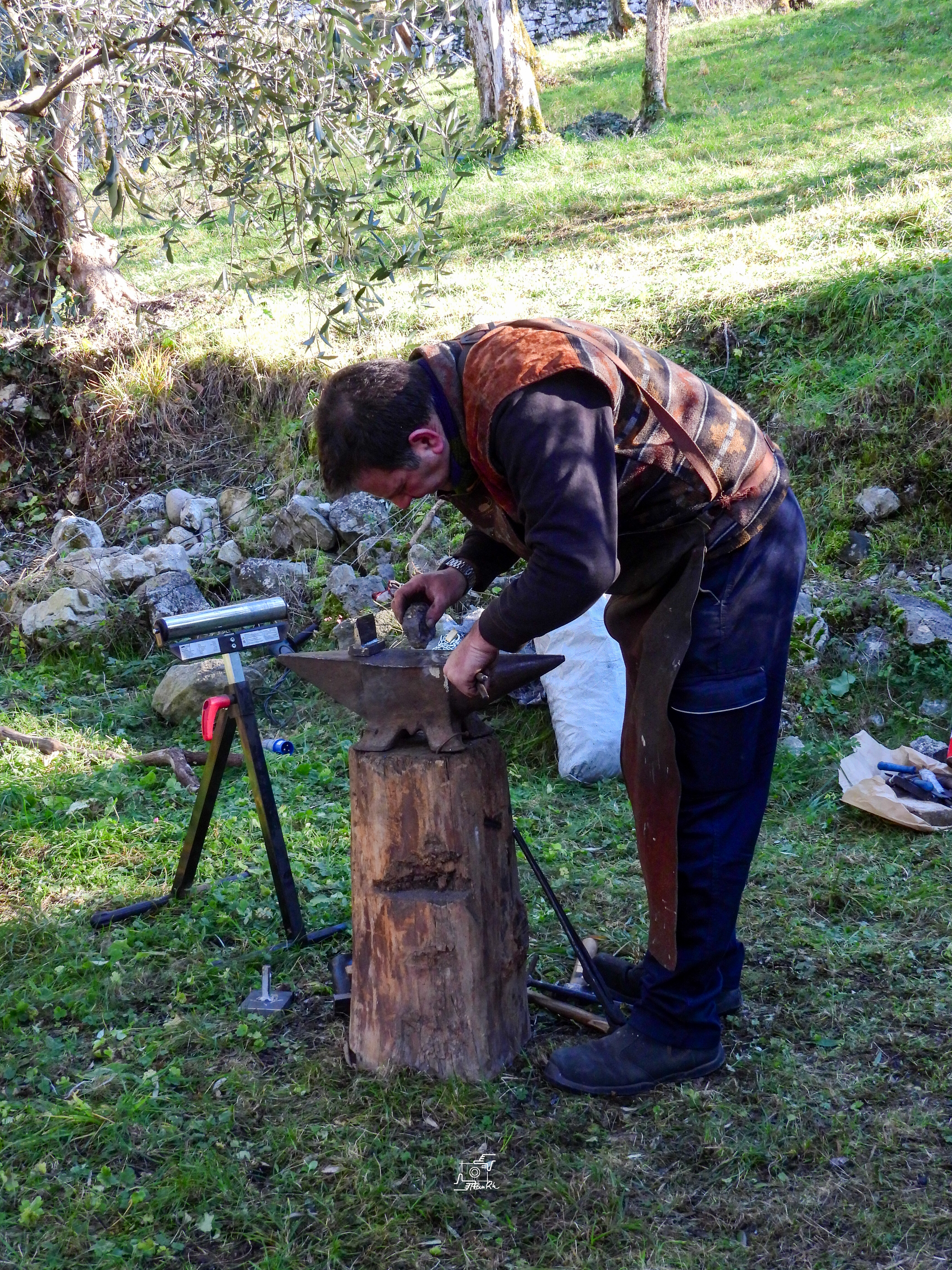
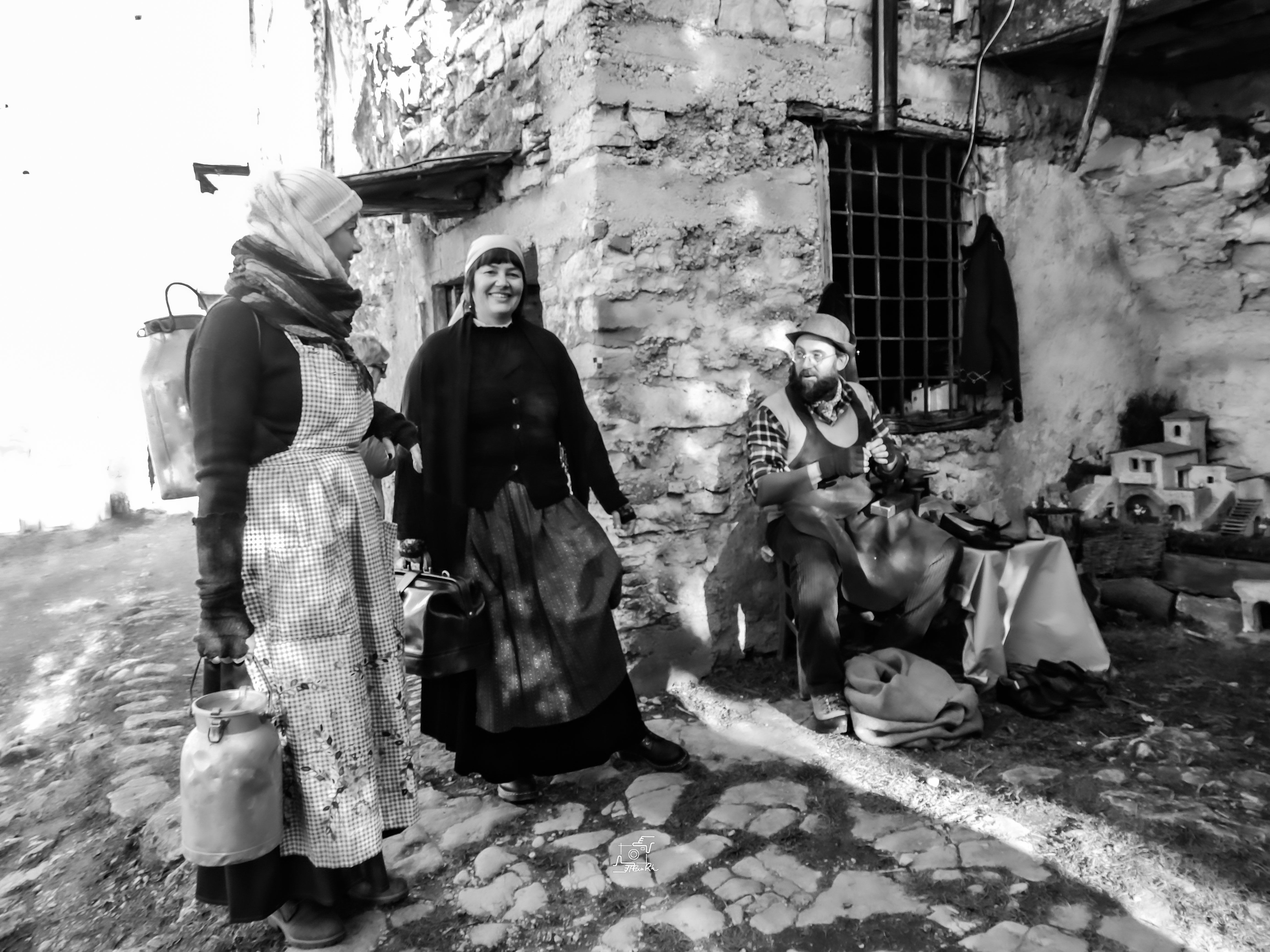
On his way again, he met Alessandro the shoemaker, recently married to Michela, the midwife. Strange rumors were circulating: it was said that the shoes for Rosa the postwoman’s son were not bought by her husband Roberto, but perhaps by the priest himself. Don Danilo was furious—pure slander. The child’s father was the hardworking blacksmith, not him.
To calm down, he visited his childhood friends—Elio, Umberto, and Angelo—who were tidying up their tools. A few words with them lifted his spirits.
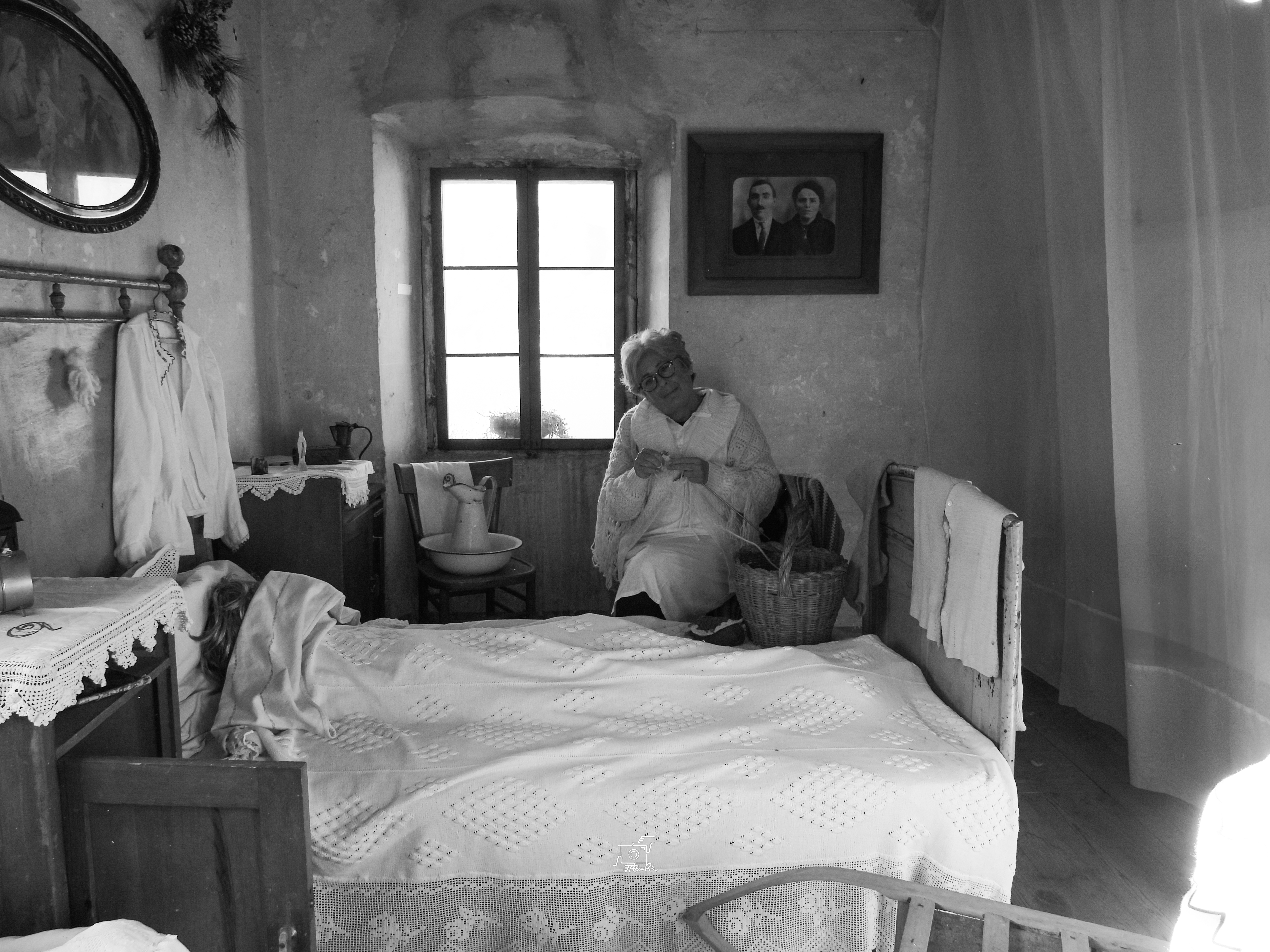
Towards evening, while the women gathered for the filò—the perfect moment for a bit of gossip—the arrival of Don Danilo with Michela brought silence. He cast a reproachful glance at Paola, Roberta, and Anna: the first two were knitting, Anna was preparing butter for the Christmas sweets. Then he hurried to the church before Siora Antonella could get angry again.
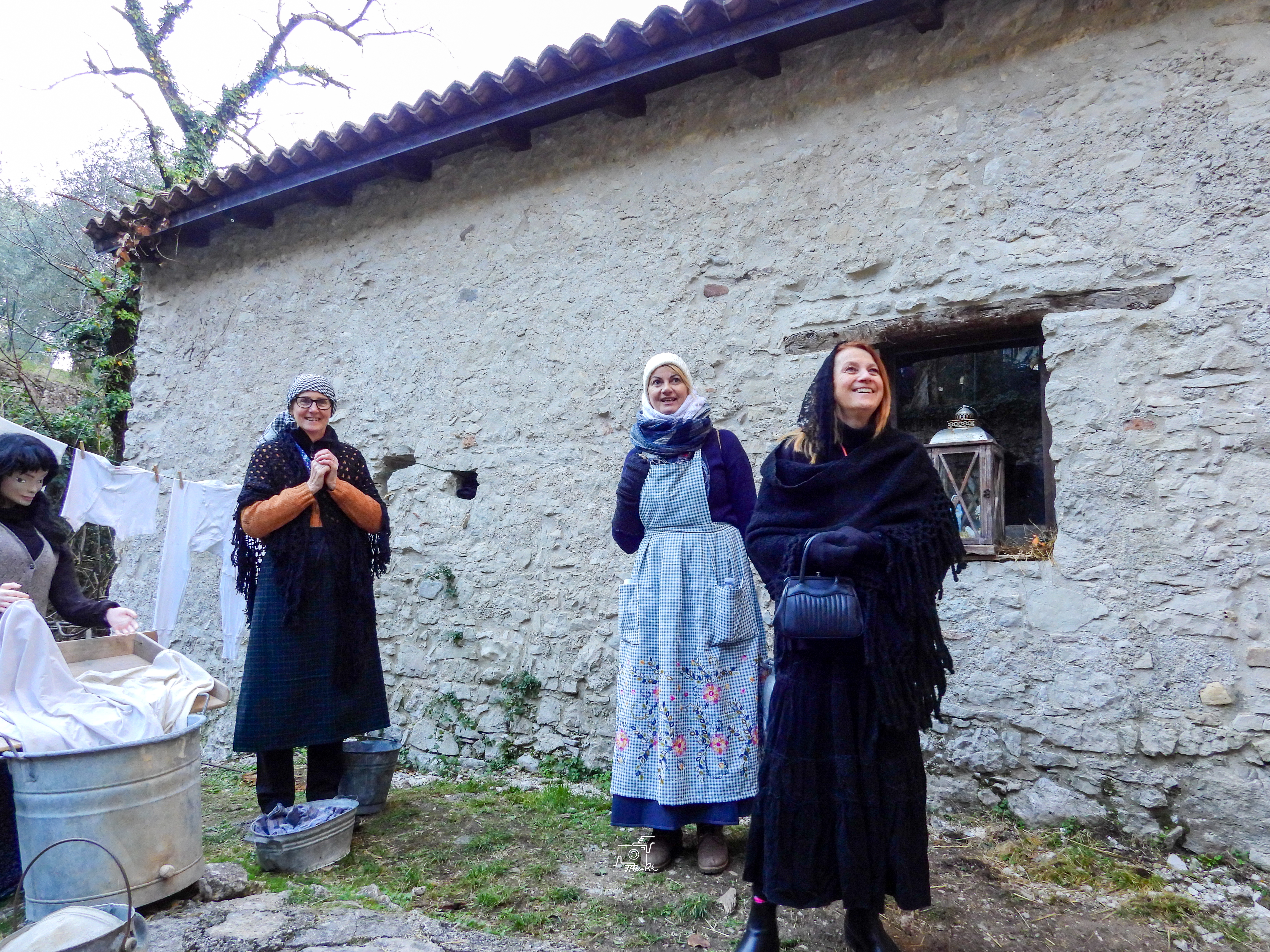
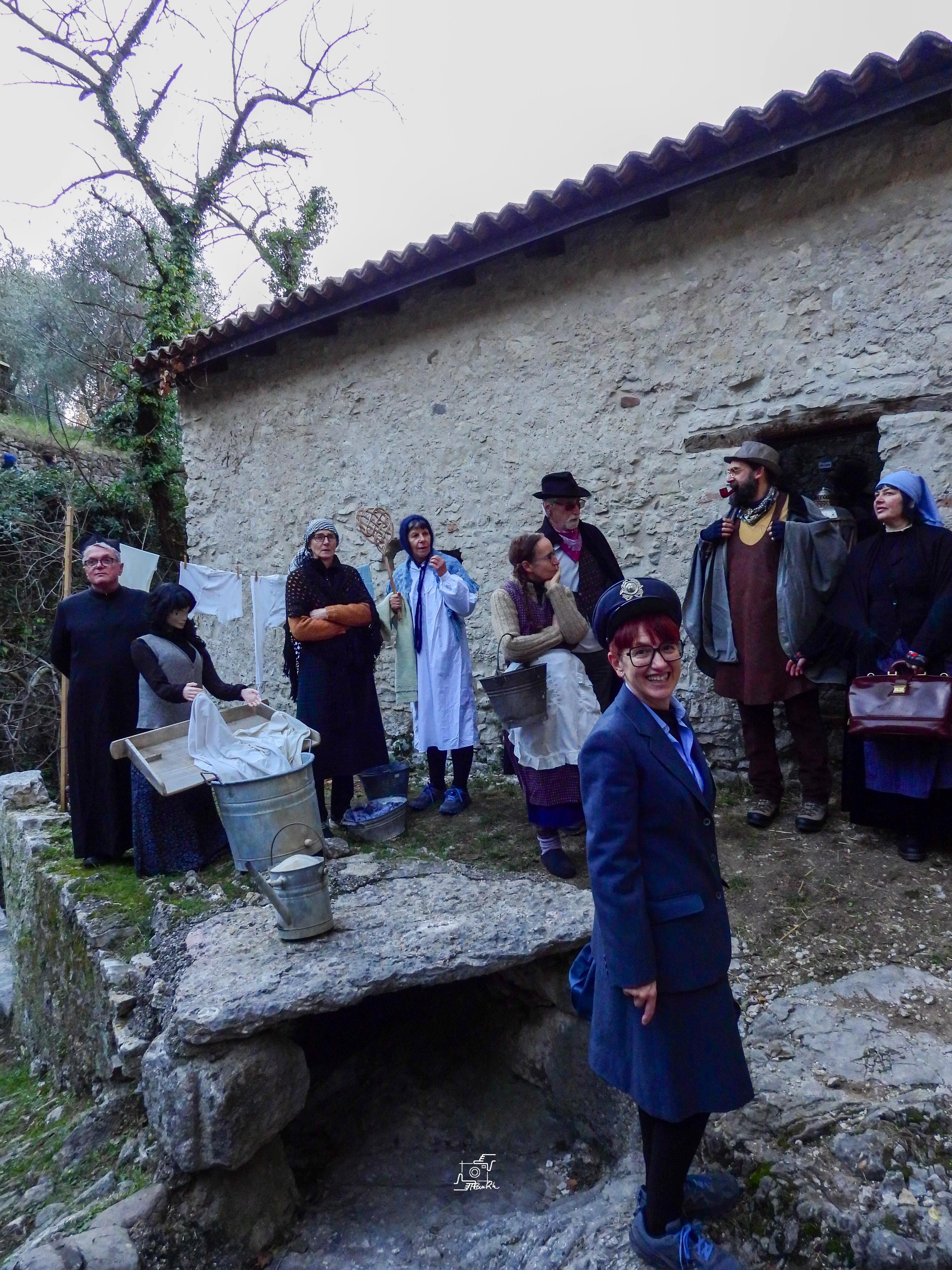
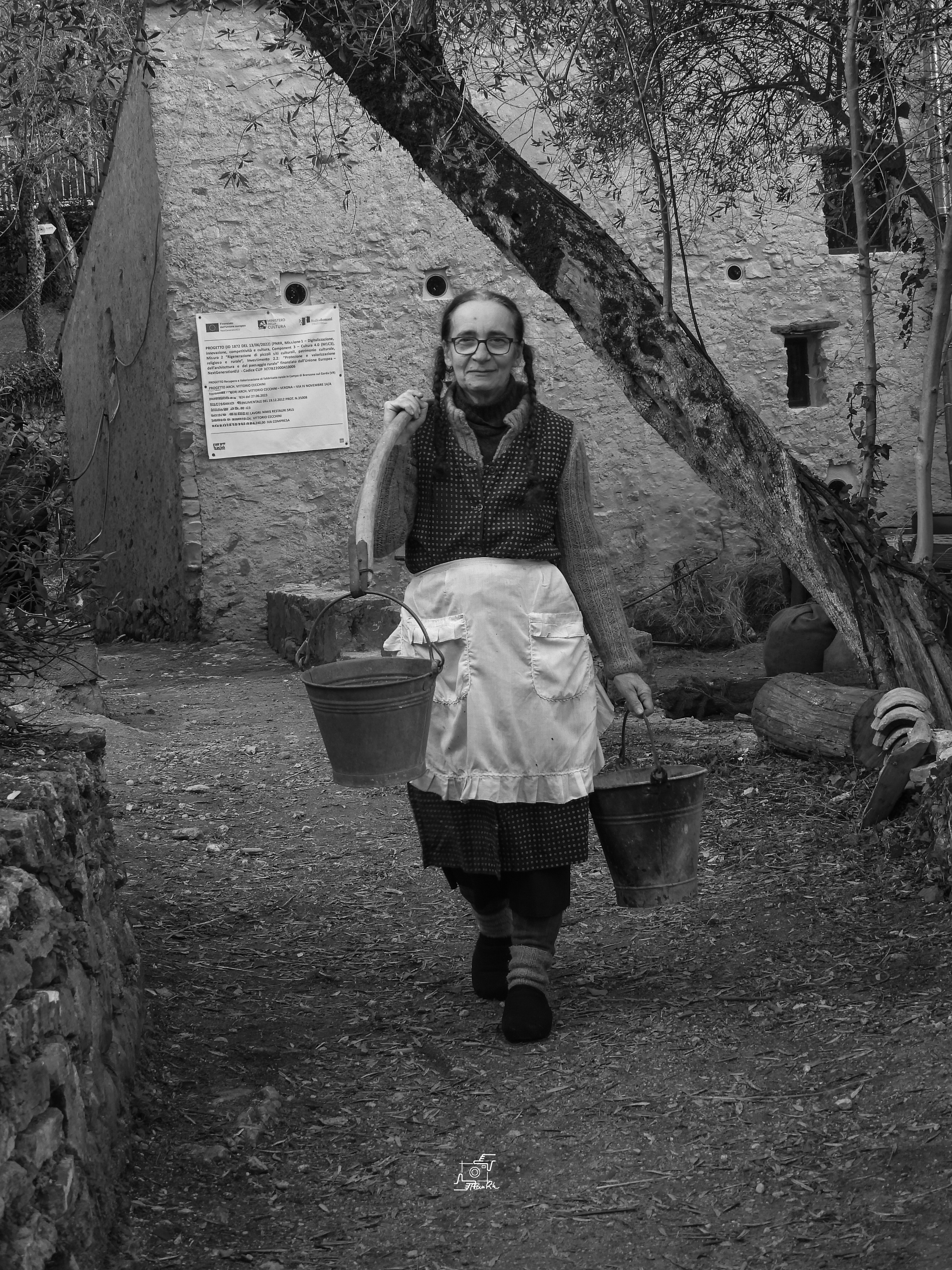
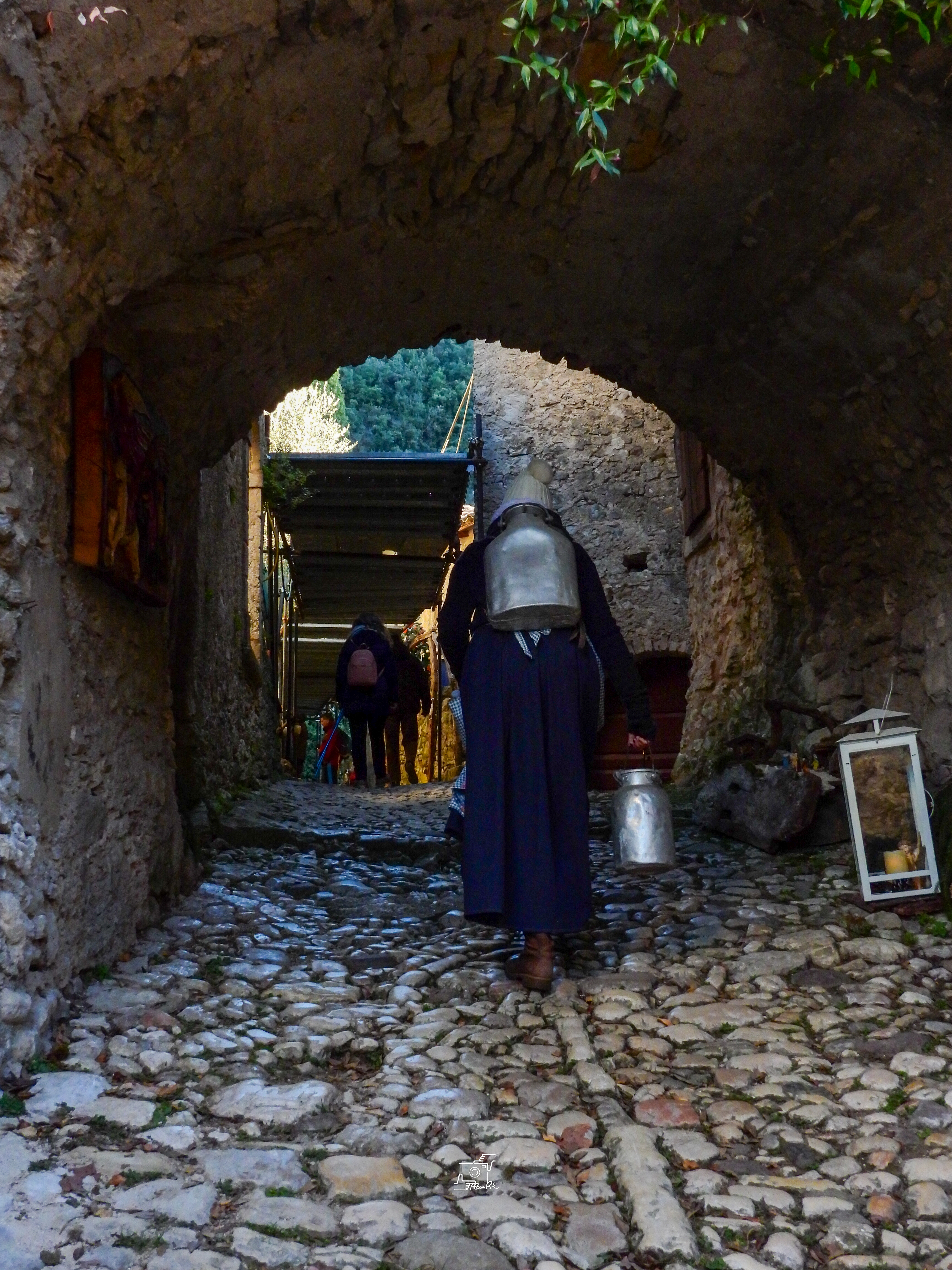
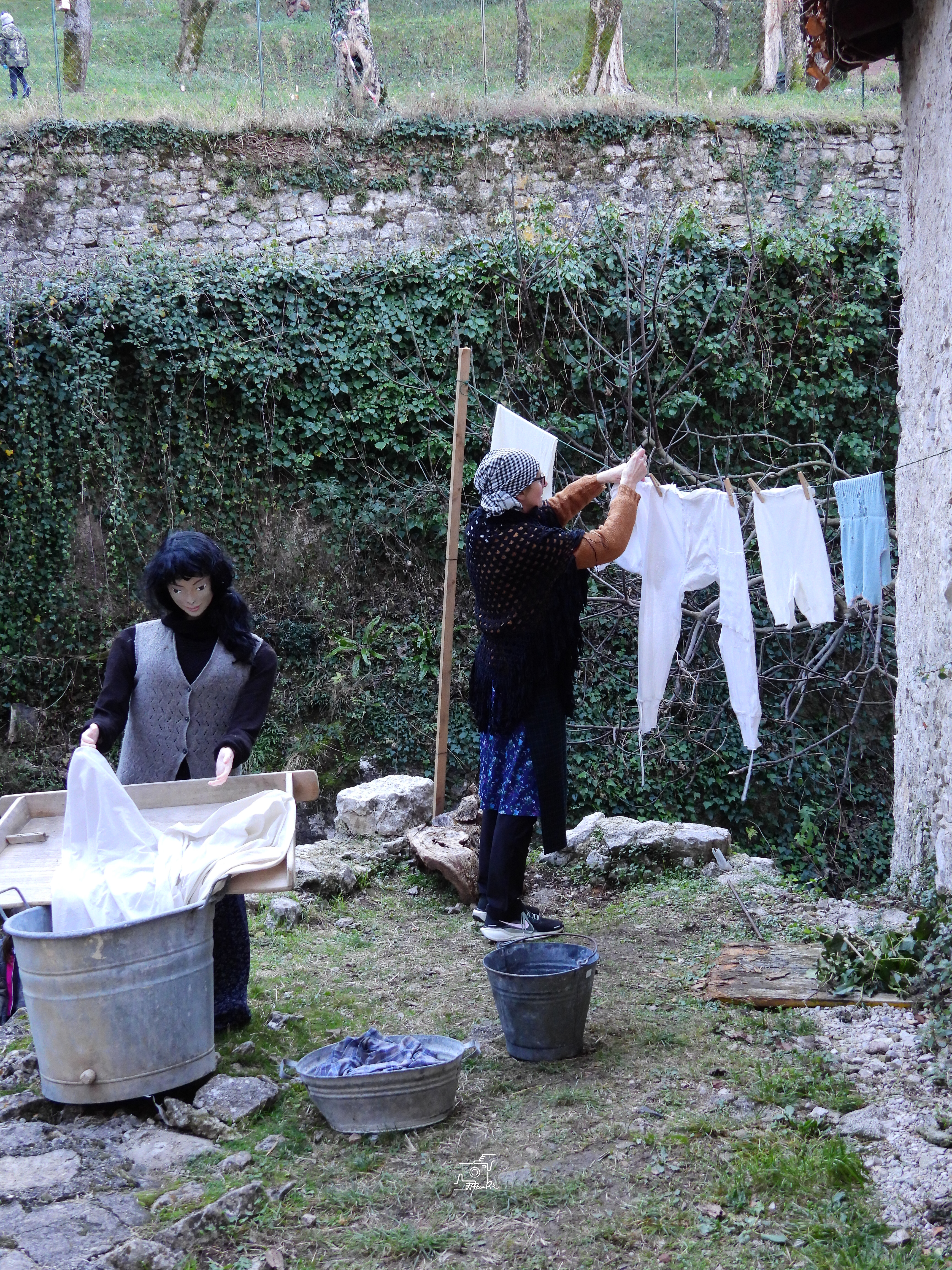
At the fountain he met Cilia carrying water to the stable, Cristina returning home with the evening milk, and Sandra collecting the laundry still damp from the icy water. Everyone was rushing, but their hearts were full of expectation.
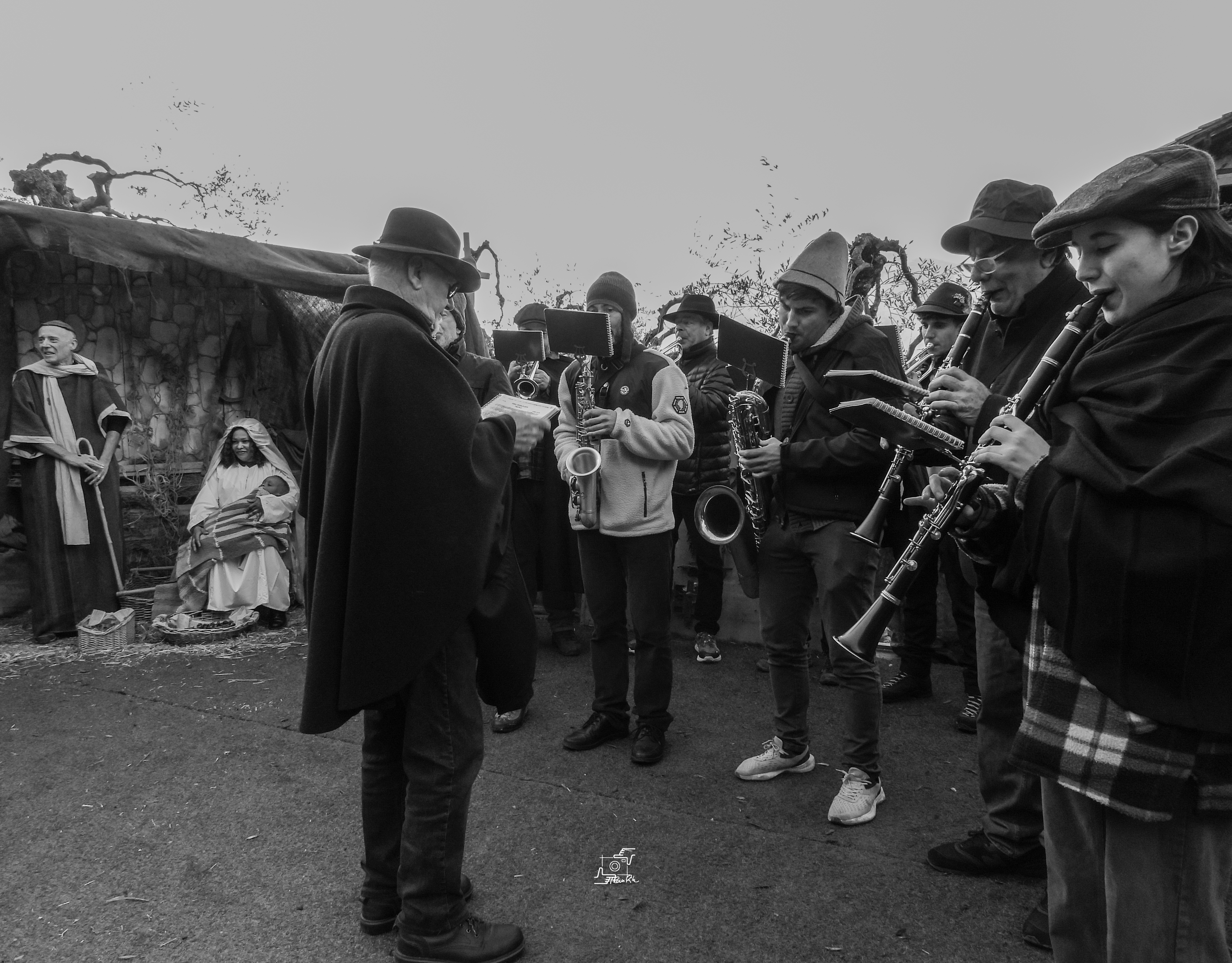
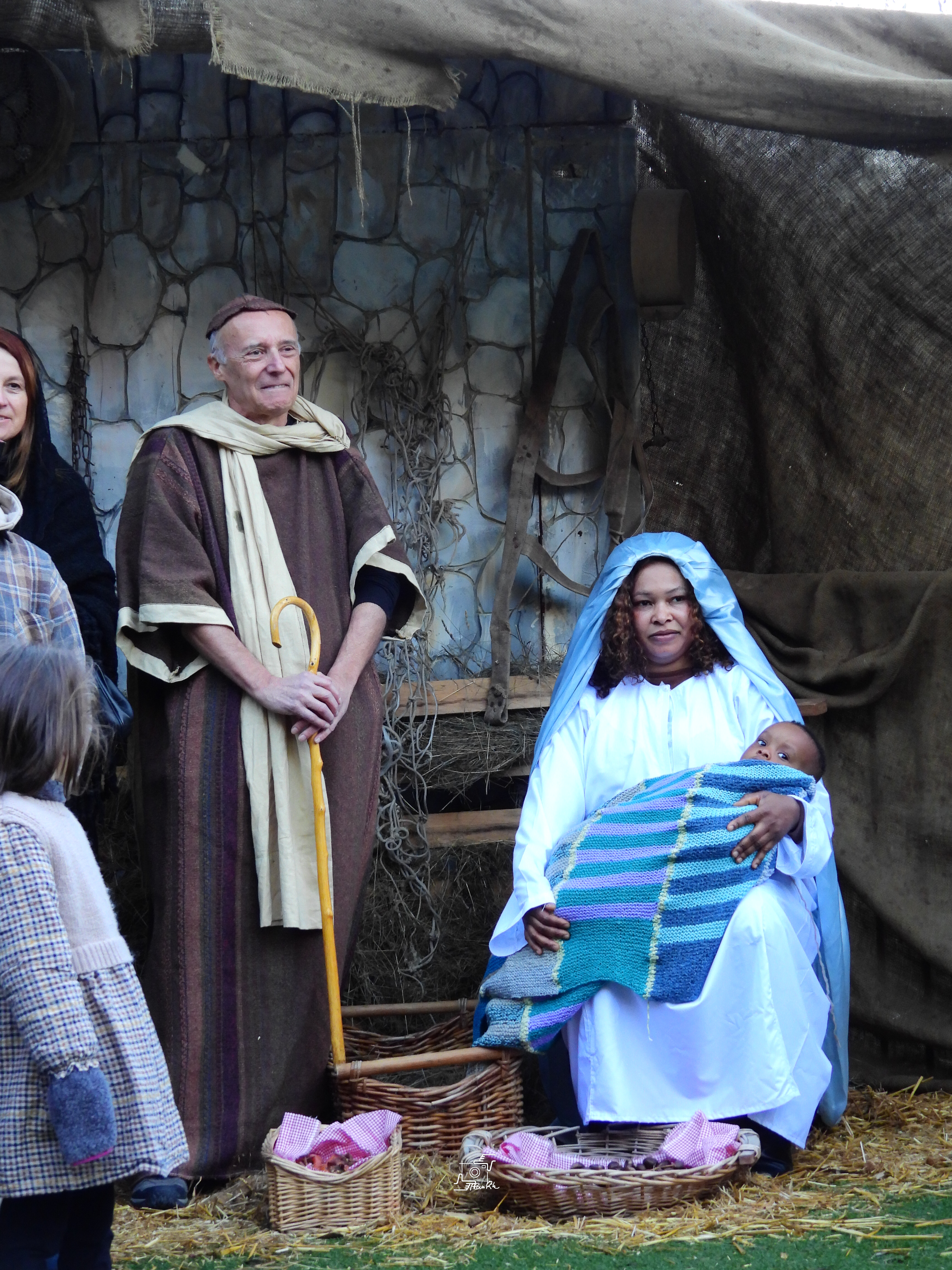
At eight o’clock the band from Castelletto arrived. Like the Pied Piper, their music drew everyone out of their homes. In procession, each person carried a simple gift, like true Magi. In the church, a special Nativity awaited them: a Baby Jesus with dark skin, resembling some of the American soldiers seen during the war.
Father Danilo smiled and whispered:
“There is no color. We are all human beings, all brothers.”
And on that Christmas night, in the small village on the lake, everyone understood that peace is born from welcome, and that brotherhood is the greatest gift one can offer the world.
Photography by Rita Aloisi – Video by Tiziano Cristofoli