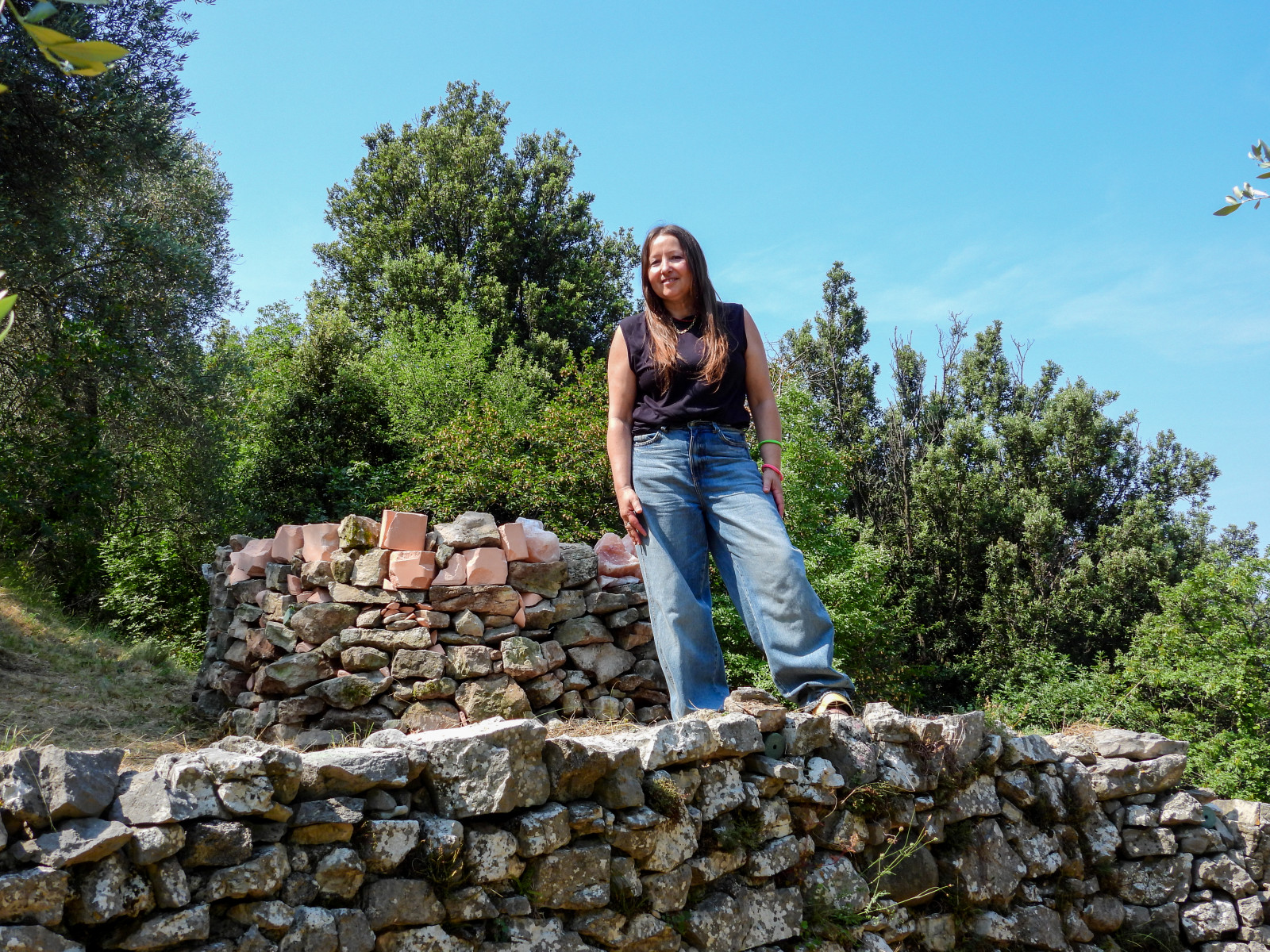
Visual artist Chiara Lecca was born in Modigliana (Forlì-Cesena), where she lives and works in close contact with nature and the animal world. She graduated in Painting from the Academy of Fine Arts in Bologna in 2005.
Her practice—primarily sculptural and installation-based, with incursions into photography and video— investigates the relationship between human beings and nature, exploring the fracture generated by contemporary society and the possibility of new forms of connection between different living species. Through the use of organic materials, animal and vegetal elements, and artificial components, Lecca creates hybrid works in which the boundaries between natural and artificial, life and transformation, presence and absence become subtle and shifting.
The animal world becomes an active part of the creative process—not as a represented subject, but as a living agent capable of modifying and completing the work over time.
She has exhibited in numerous public and private institutions in Italy and abroad, including Palazzo Doria Pamphilj in Rome, Casa Museo Bagatti Valsecchi in Milan, MAN Museum in Nuoro, MAR Museum of Ravenna, Naturkundemuseum Ottoneum in Kassel, Kunst Meran/o Arte, and Vestfossen Kunstlaboratorium in Norway. Her works are part of several Italian and European public and private collections. Since 2008 she has been represented by Galleria Fumagalli in Milan.
Water-Licked Rocks at CAMPO – Artistic Identities
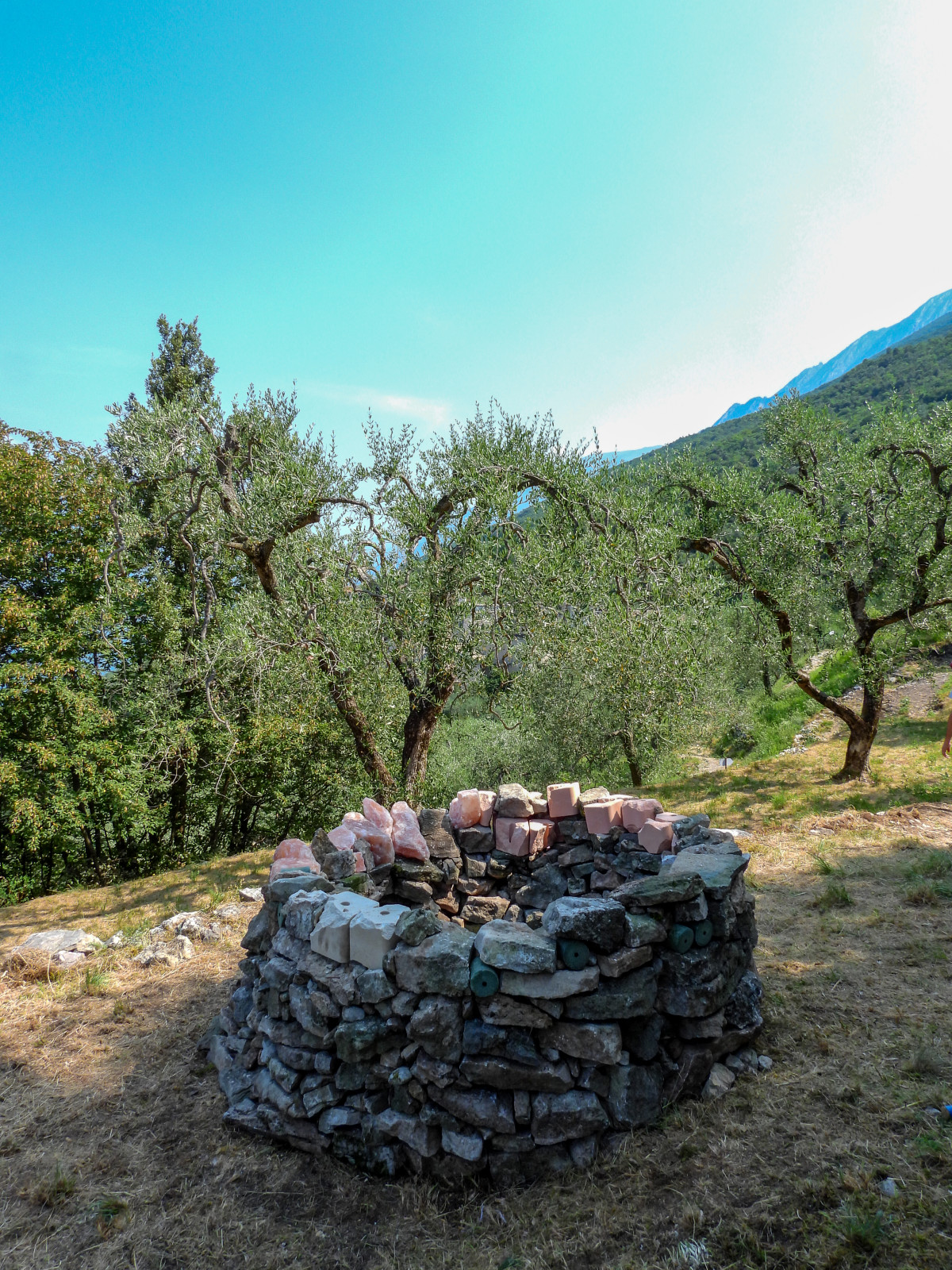
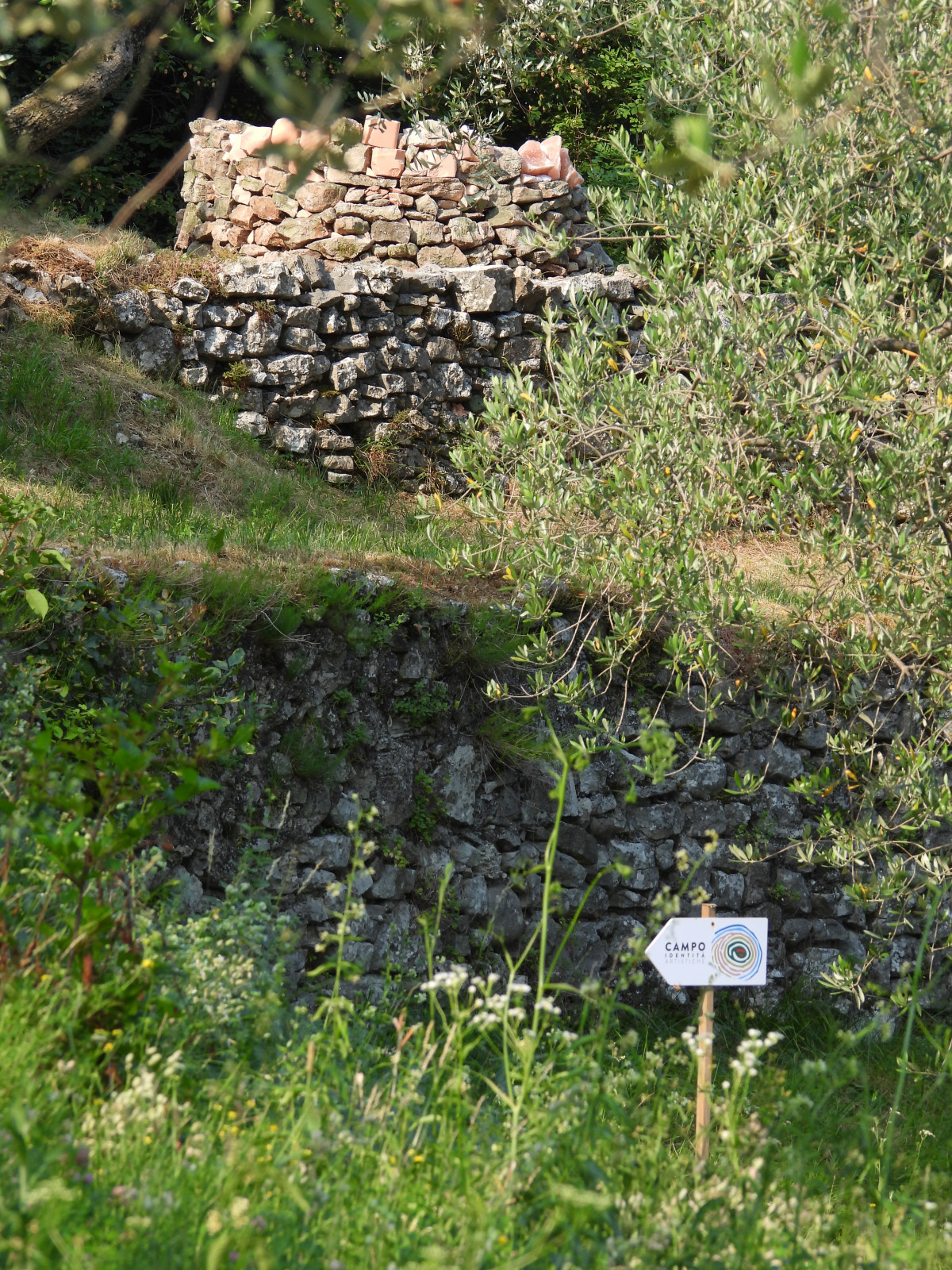
Within the context of CAMPO, Artistic Identities, Chiara Lecca creates Water-Licked Rocks, a work that enters into dialogue with the unique identity of Campo di Brenzone—a place suspended between memory and transformation, where the abandoned architectures of the hamlet coexist with the regenerative force of nature.
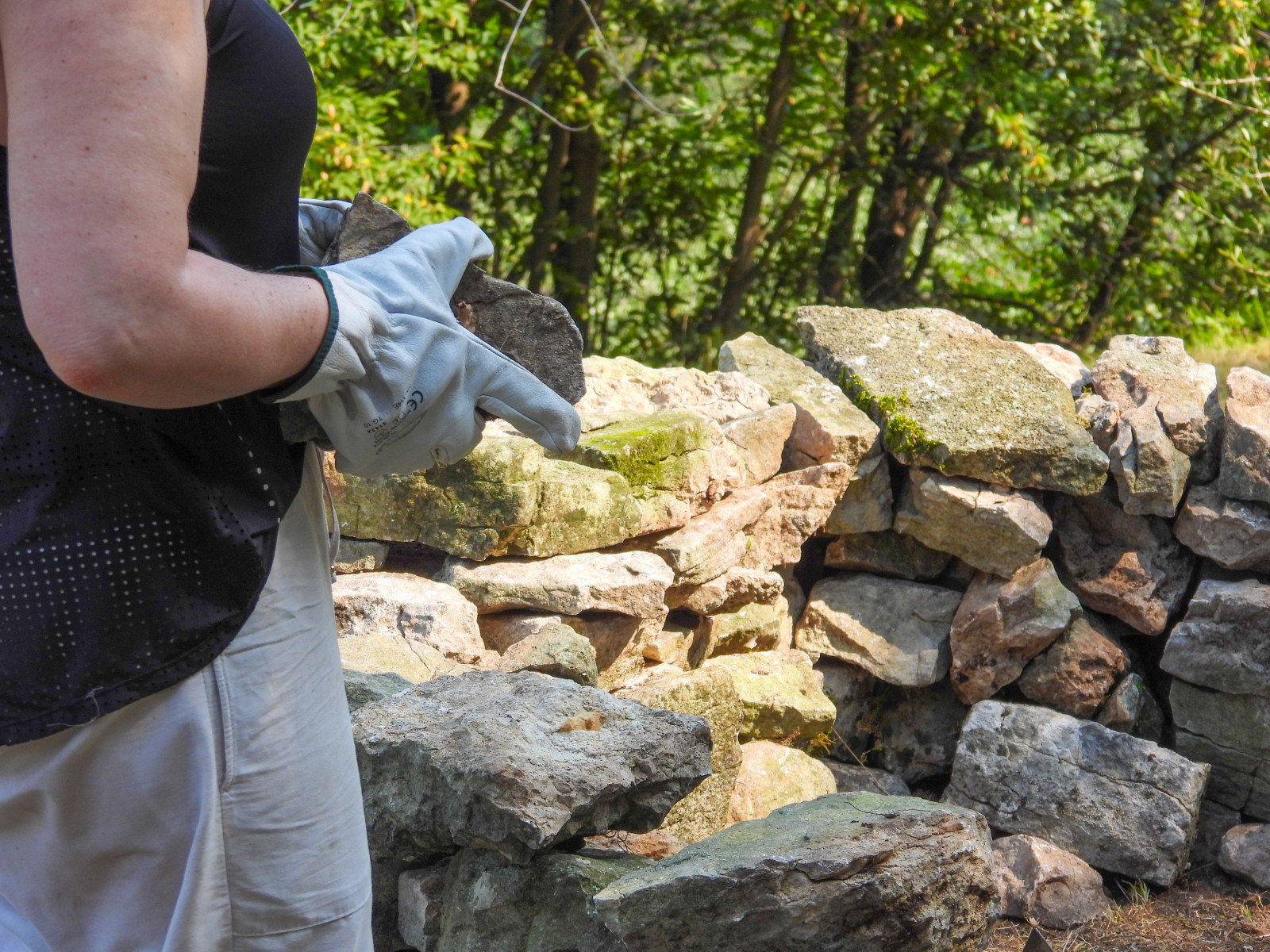
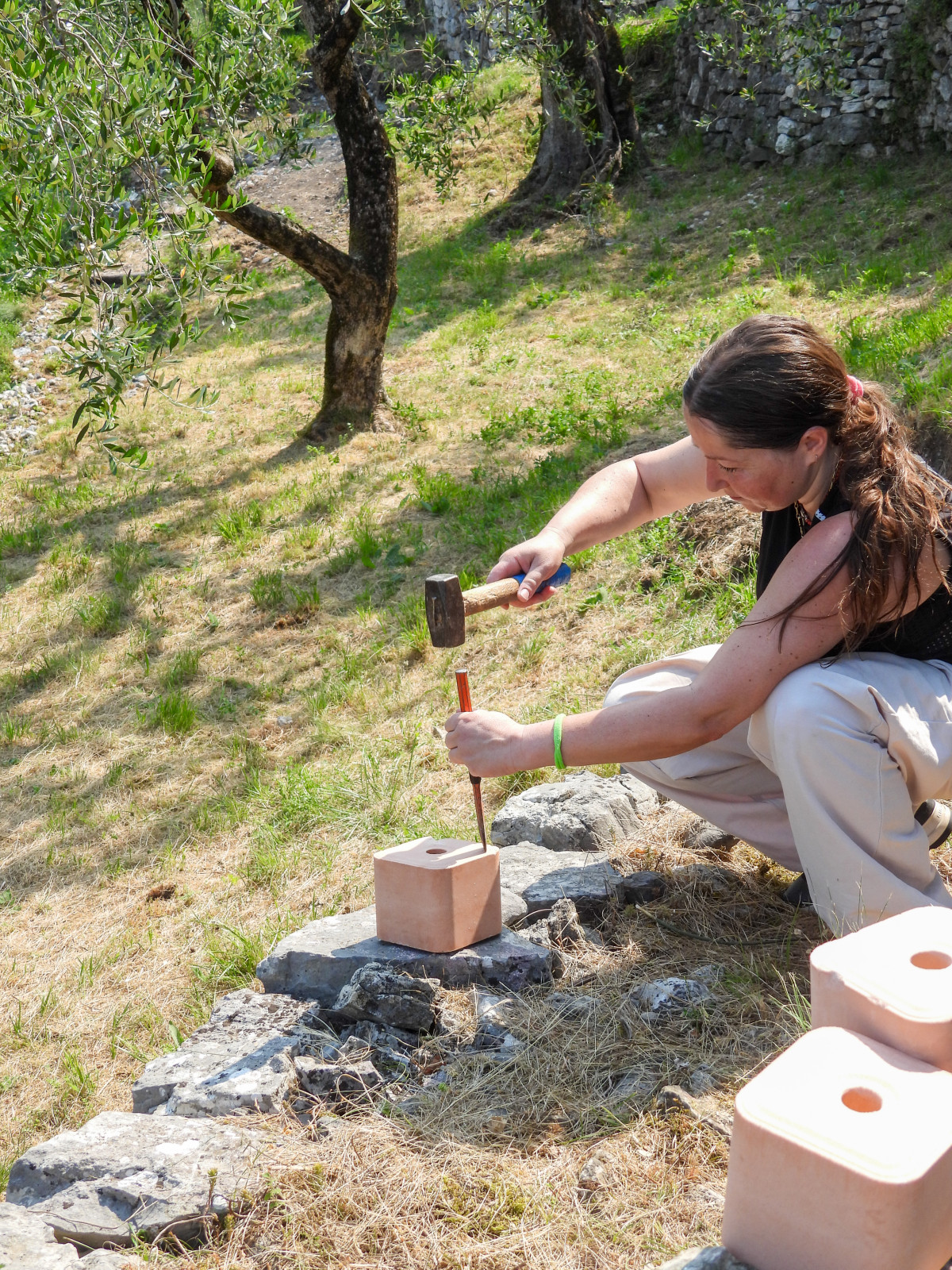
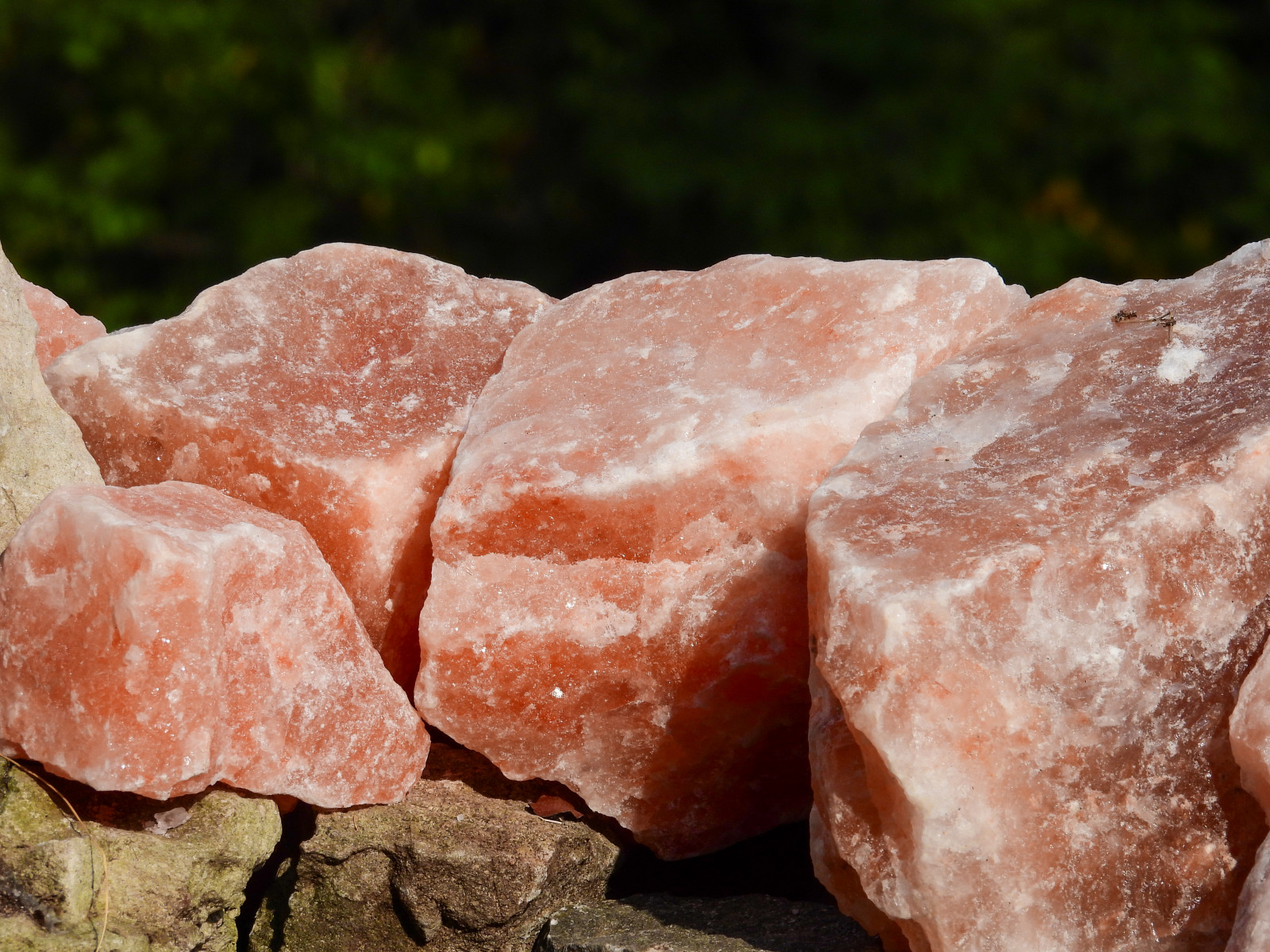
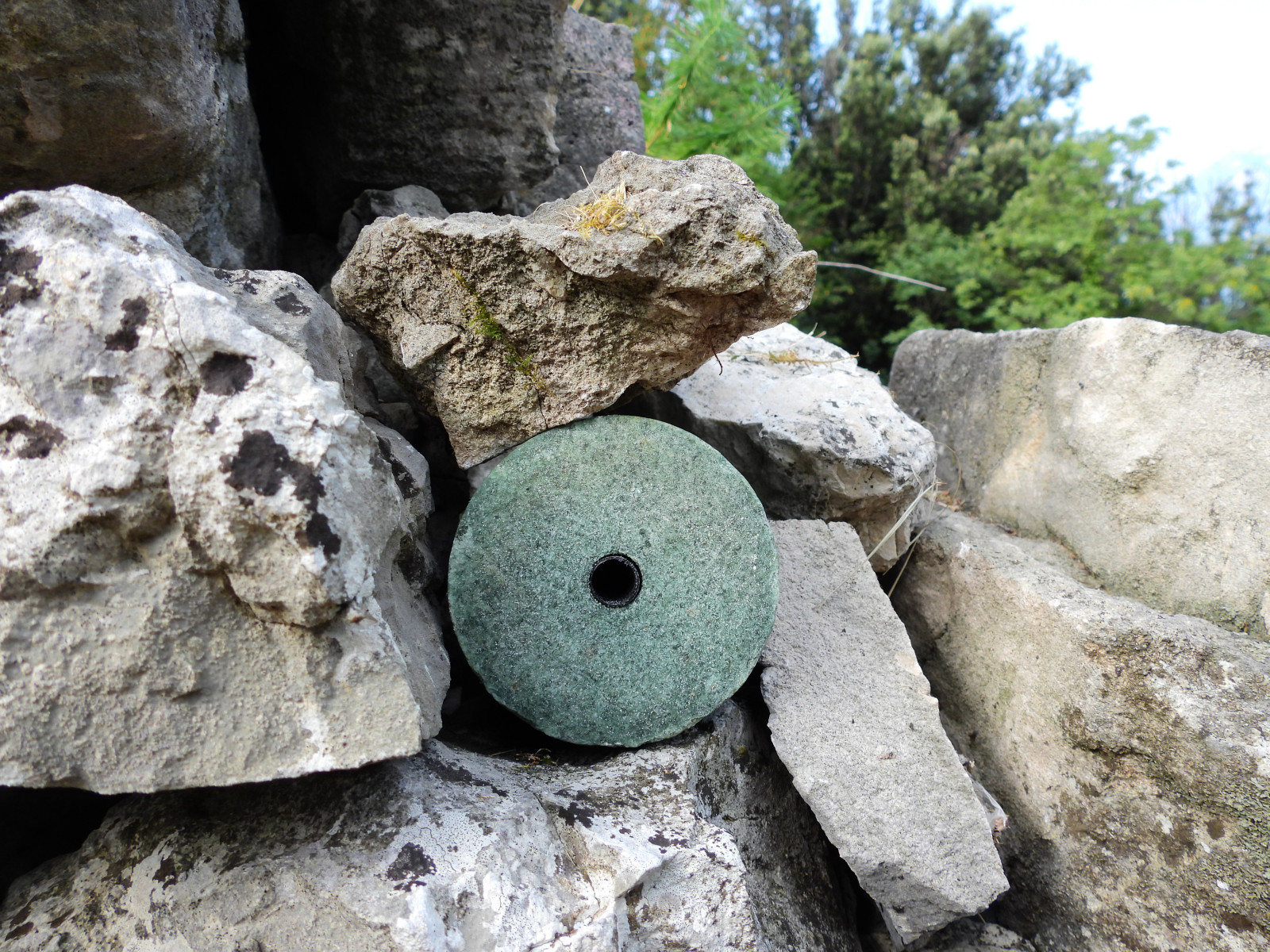
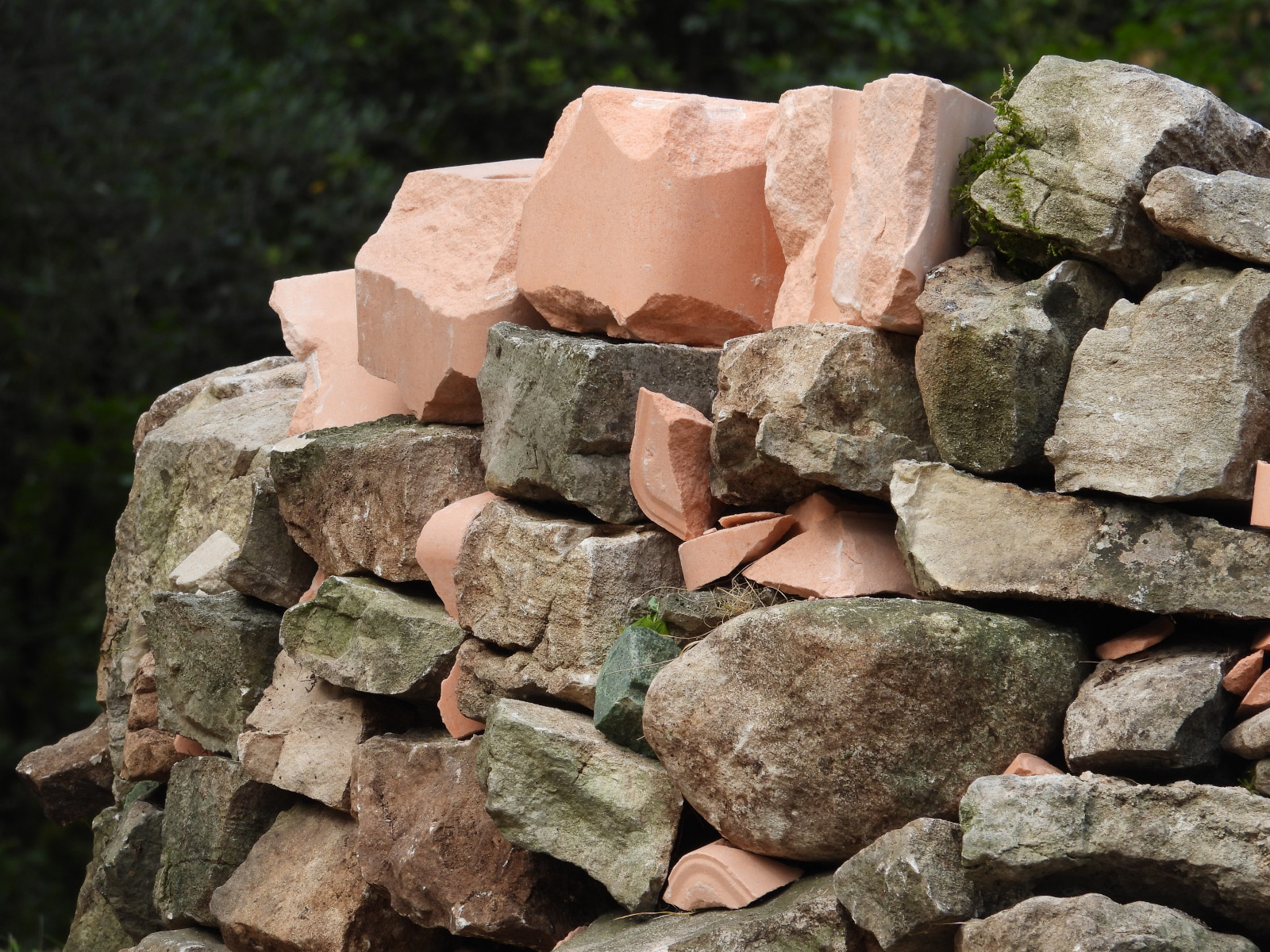
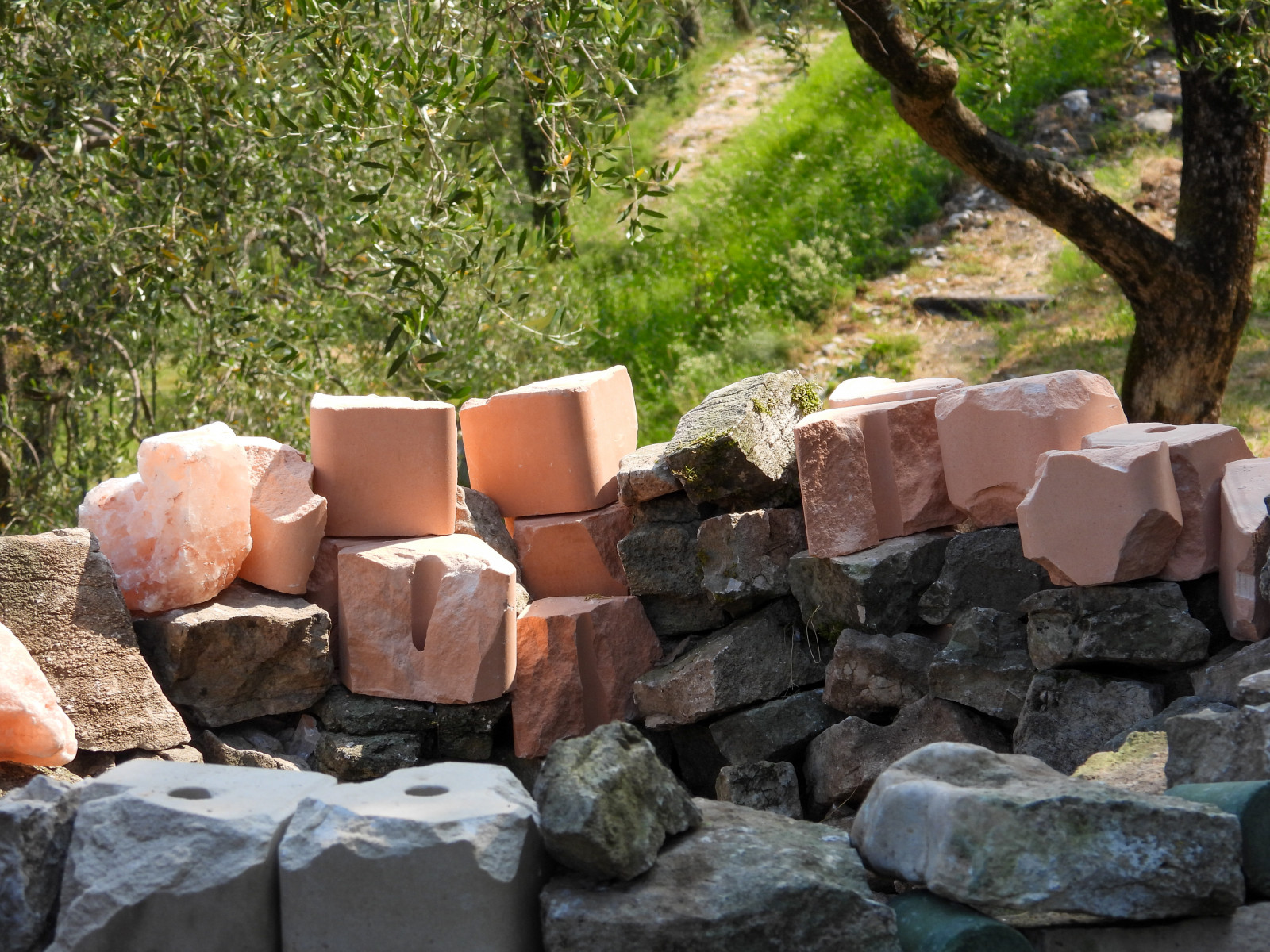
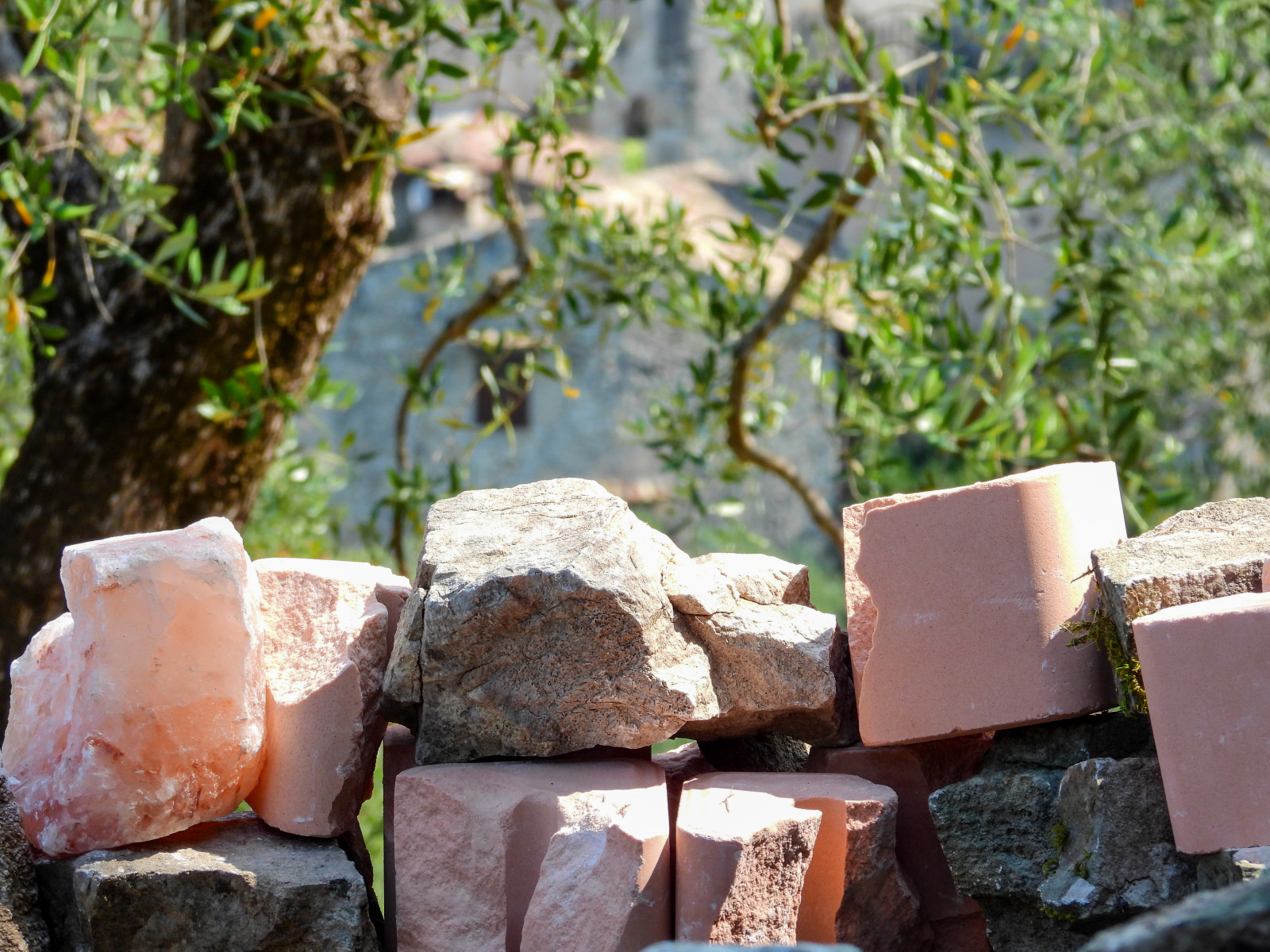
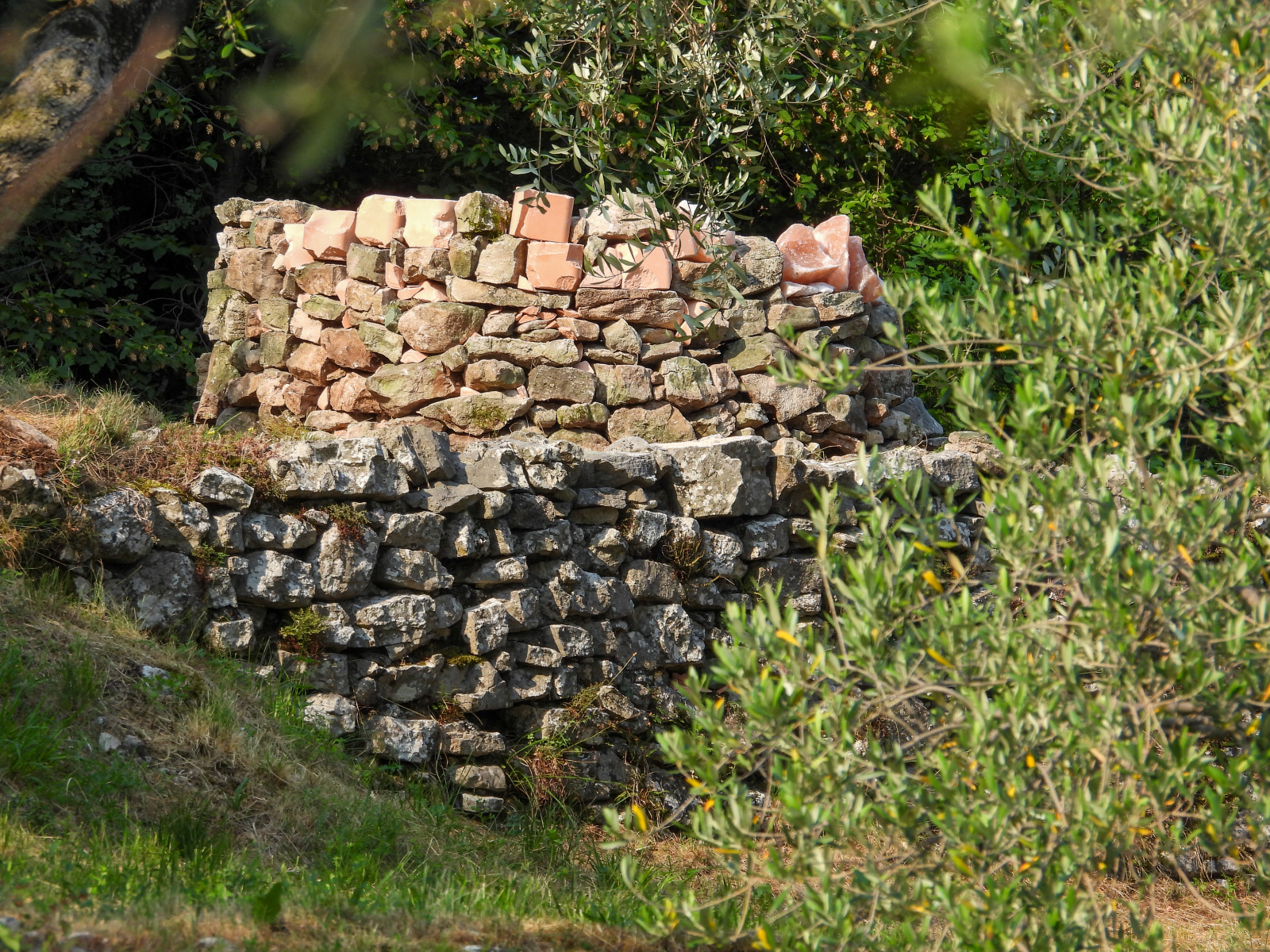
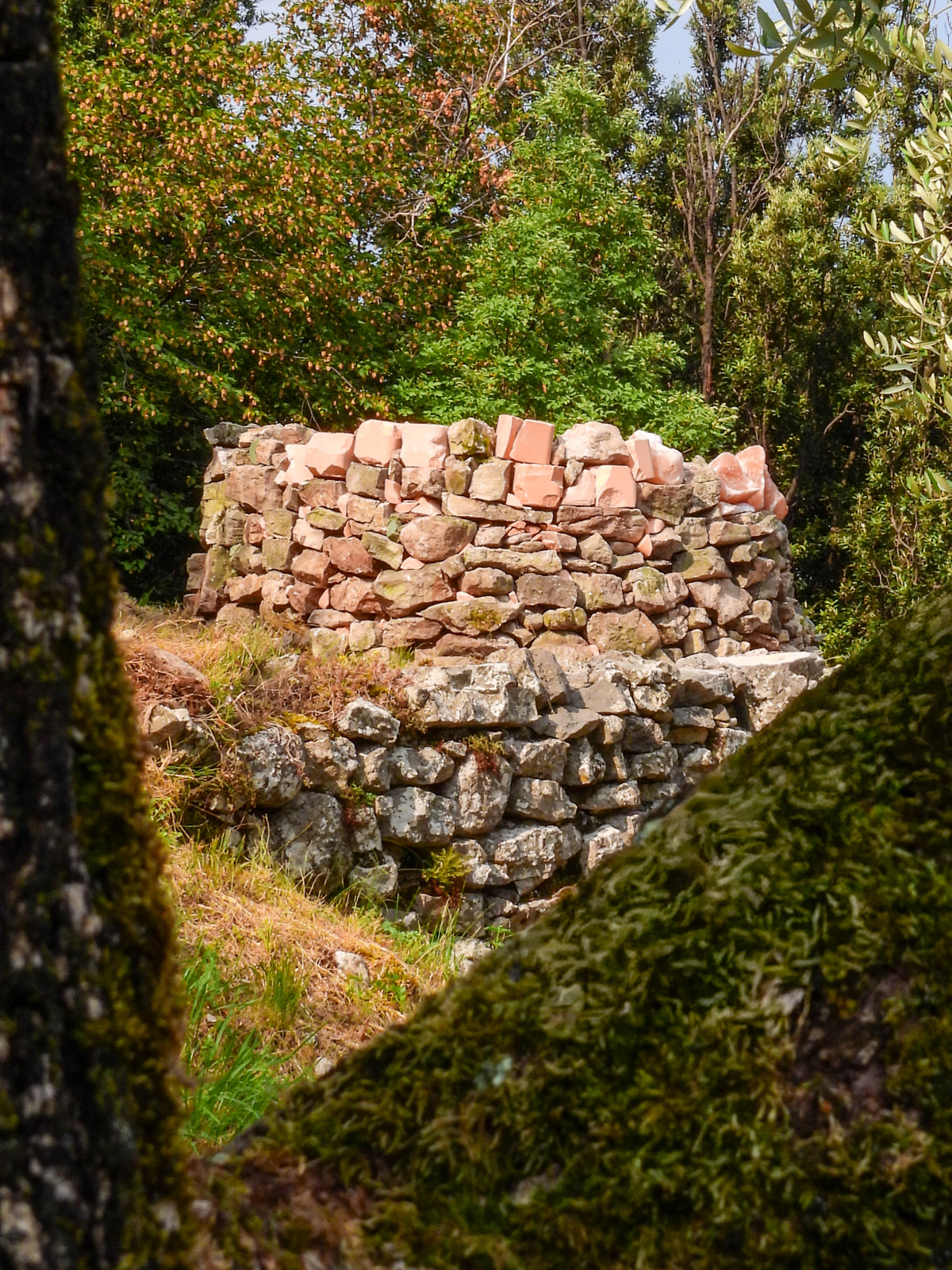
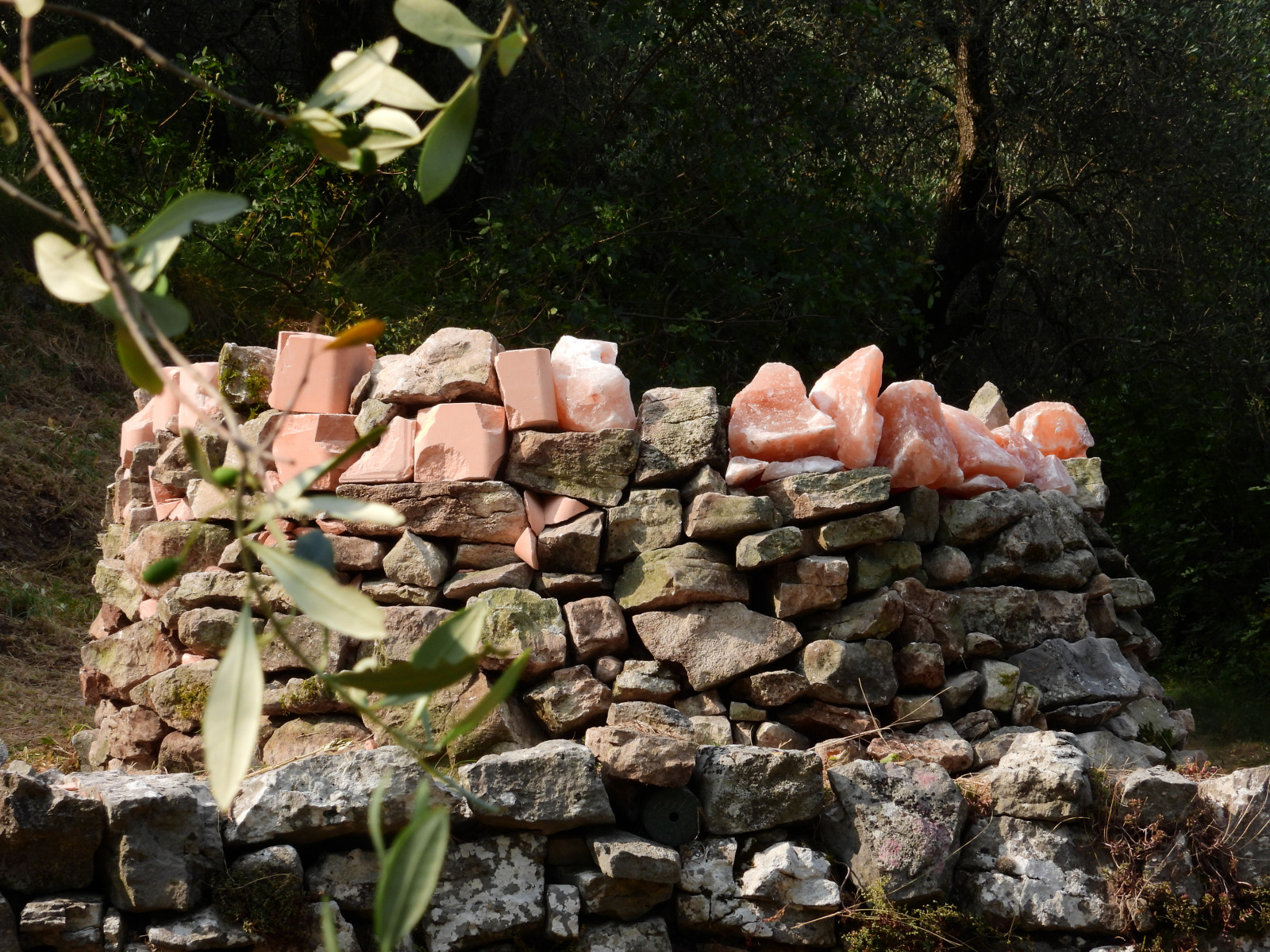
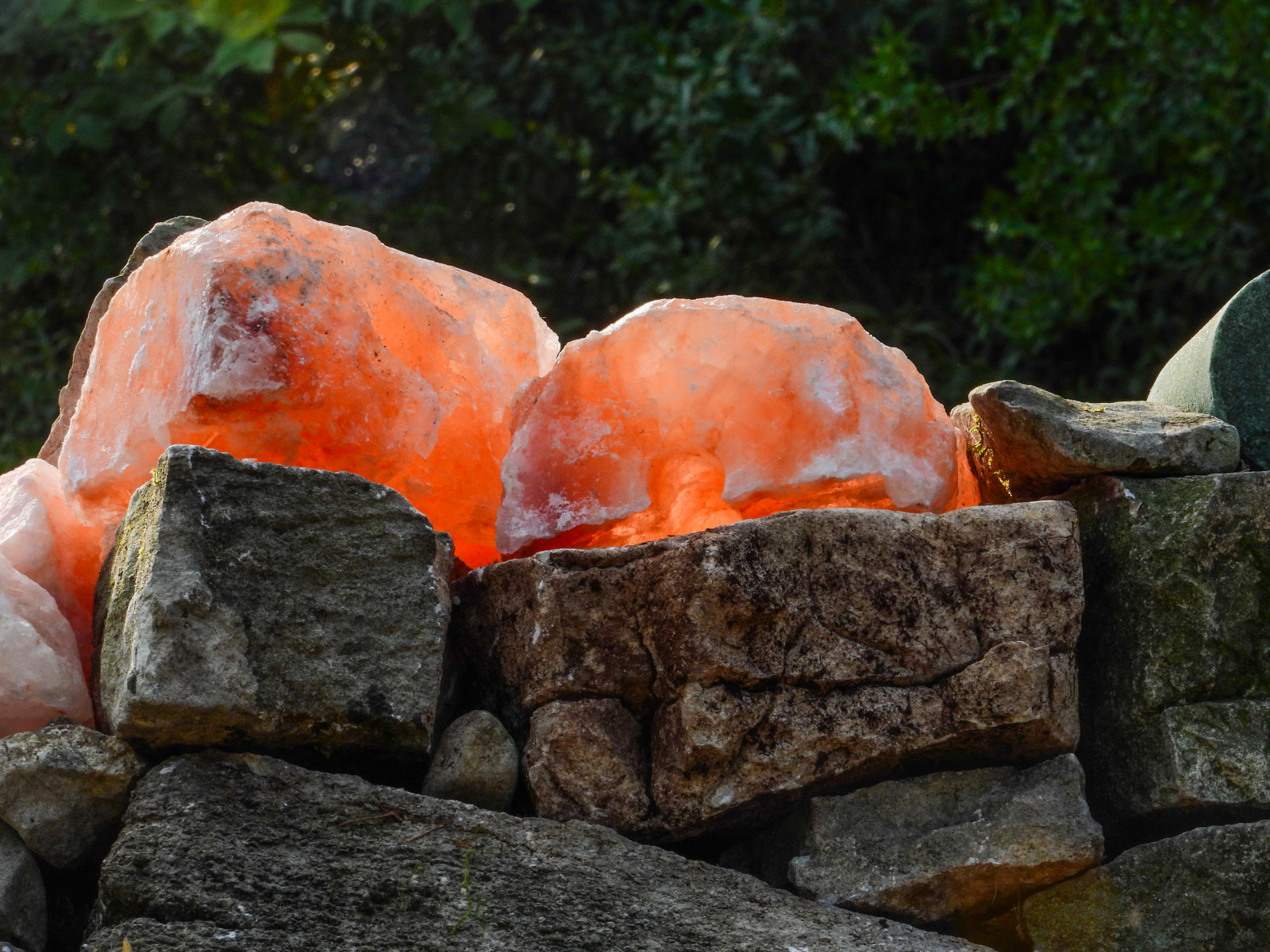
The installation takes the form of a small circular architecture built with local stones and mineral salt blocks intended for animals. The structure recalls the dry-stone walls of the Garda landscape and the ancient rural constructions of the hamlet, establishing a direct link with the memory of the place. Its circular shape also evokes the nuragic architectures of Sardinia, intertwining Campo’s landscape with the artist’s origins.
Salt is the central material of the work: an essential element for animal survival and a substance symbolically tied to preservation, exchange, and care. Wild animals are invited to approach the structure, feeding on the salt and leaving traces of their passage. The work thus becomes a living organism in transformation, shaped by time, weather, and the interaction with other forms of life inhabiting the territory.
Water-Licked Rocks is not a static sculpture but an open process in which stone, nature, animals, and human presence contribute to the creation of a continuously evolving balance. The marks left by rain, wind, humidity, and animals make the passage of time visible, progressively altering the form of the work.
Within CAMPO, Artistic Identities, Lecca’s work interprets the theme of the relationship between memory and transformation: just as the hamlet of Campo preserves the traces of the communities that once lived there, the installation records the passage of natural and biological forces that constantly redefine its identity.
Water-Licked Rocks becomes a poetic reflection on the possibility of imagining a more balanced relationship between humans, animals, and landscape—where the identity of a place is not something fixed, but a living process rooted in relation and change.